+86 18765923485

- 11 Oct 2026
What is Sodium Alginate? The Complete Guide to the Versatile Seaweed Extract
If you work in food manufacturing, textile printing, or industrial processing, you have likely encountered sodium alginate. It appears on ingredient labels as E401, in technical data sheets as a hydrocolloid, and in product formulations as a thickener, stabilizer, or gelling agent. But what exactly is sodium alginate? Where does it come from? And why has it become such a widely used ingredient across so many industries?
This complete guide answers those questions. We cover the origin and chemistry of sodium alginate, its key functional properties, its major applications, how it compares to alternative hydrocolloids, and what to consider when sourcing it. Whether you are a formulation scientist, procurement manager, or simply curious about this remarkable seaweed extract, this guide provides a comprehensive overview.
What is Sodium Alginate?
Sodium alginate is a natural polysaccharide derived from brown seaweed (Phaeophyceae), including species such as Laminaria, Macrocystis, and Ascophyllum. It is the sodium salt of alginic acid and belongs to the family of hydrocolloids—substances that form gels or viscous solutions when combined with water.
Chemically, sodium alginate is a linear copolymer composed of two monomeric units:
β-D-mannuronic acid (M)
α-L-guluronic acid (G)
These units are arranged in blocks: M-blocks, G-blocks, and alternating MG-blocks. The ratio of M to G units—known as the M/G ratio—varies depending on the seaweed source and significantly influences the functional properties of the alginate .
At a Glance
| Property | Description |
|---|---|
| Chemical name | Sodium alginate |
| E-number | E401 |
| CAS number | 9005-38-3 |
| Source | Brown seaweed (Phaeophyceae) |
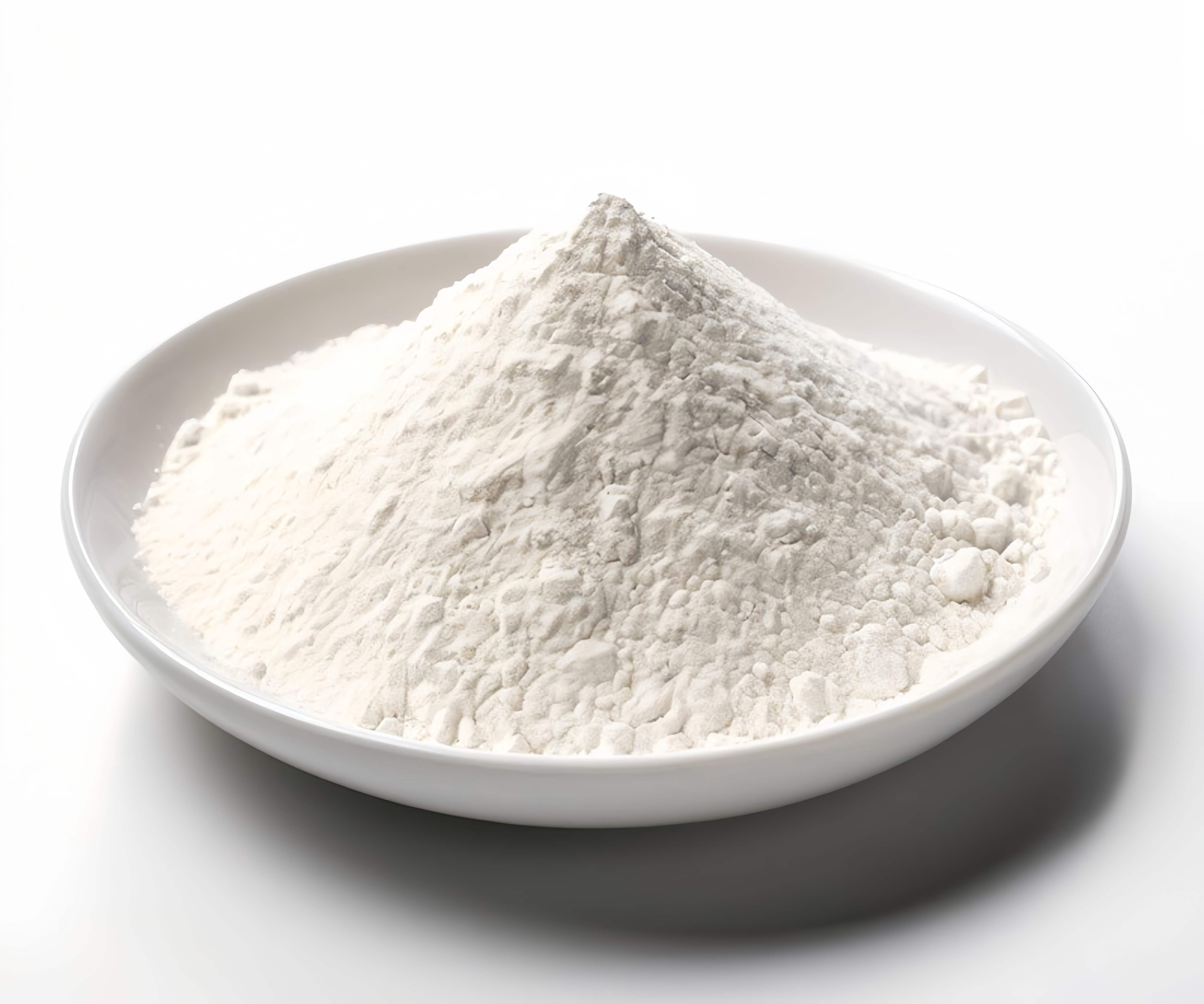
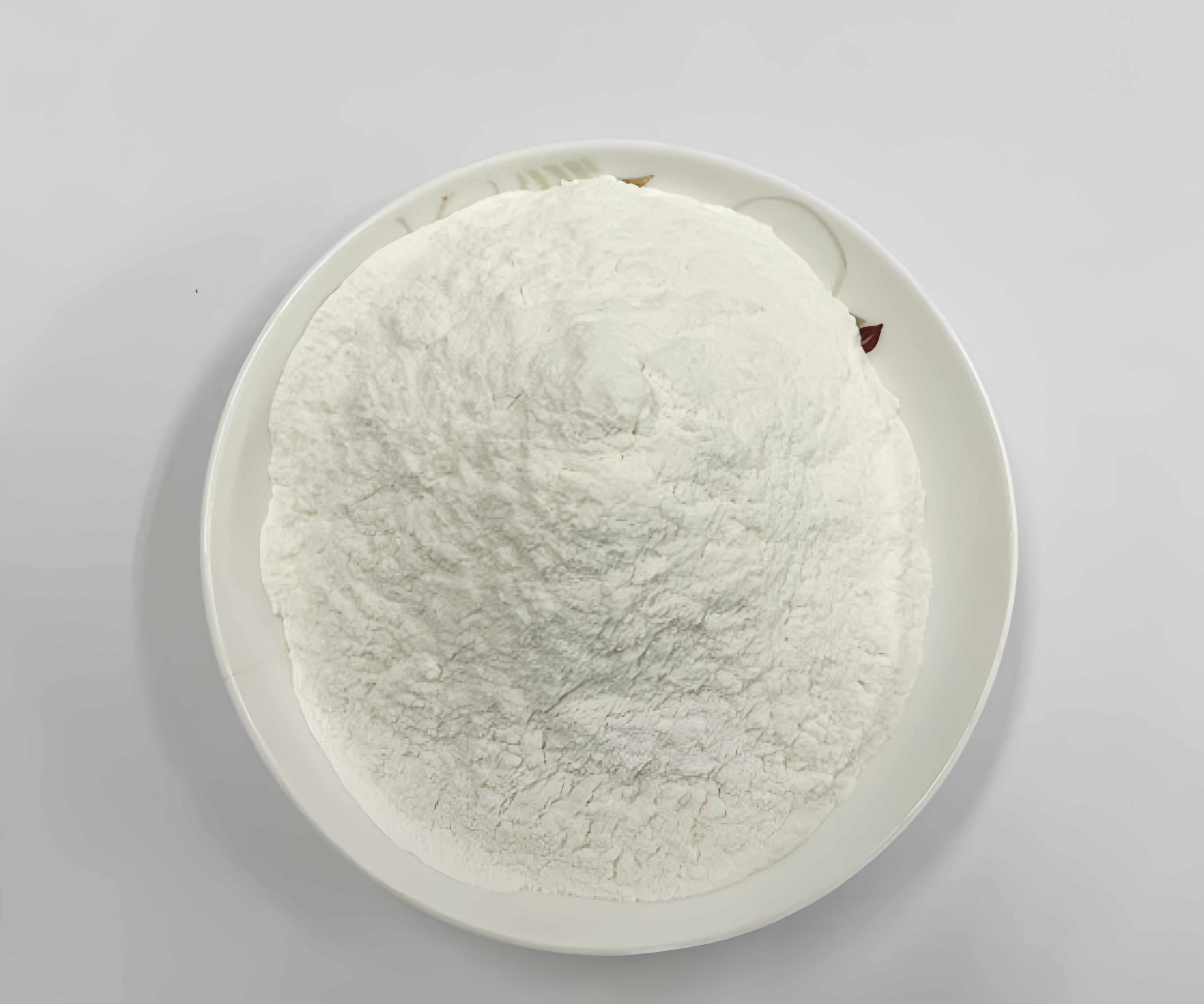
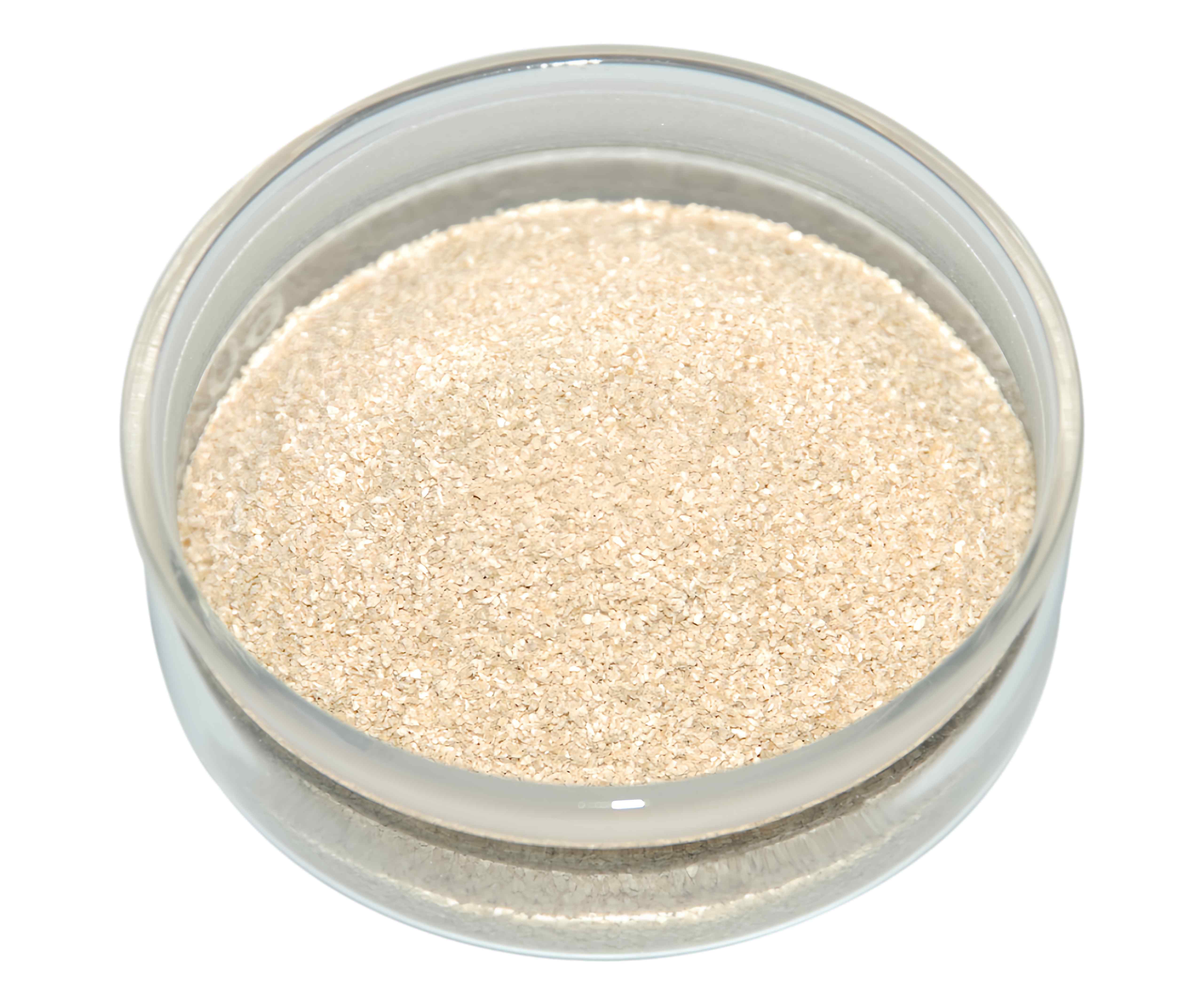
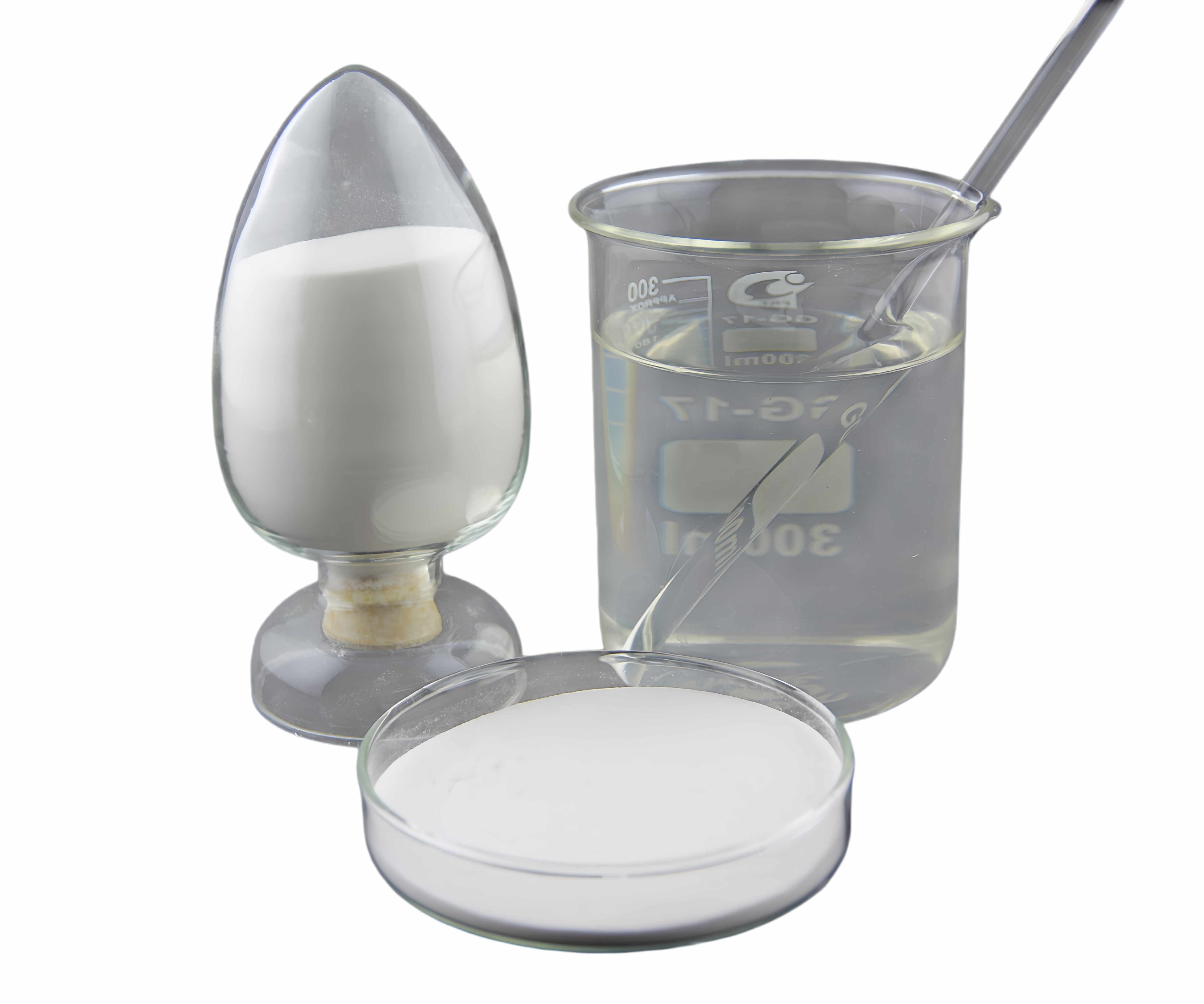
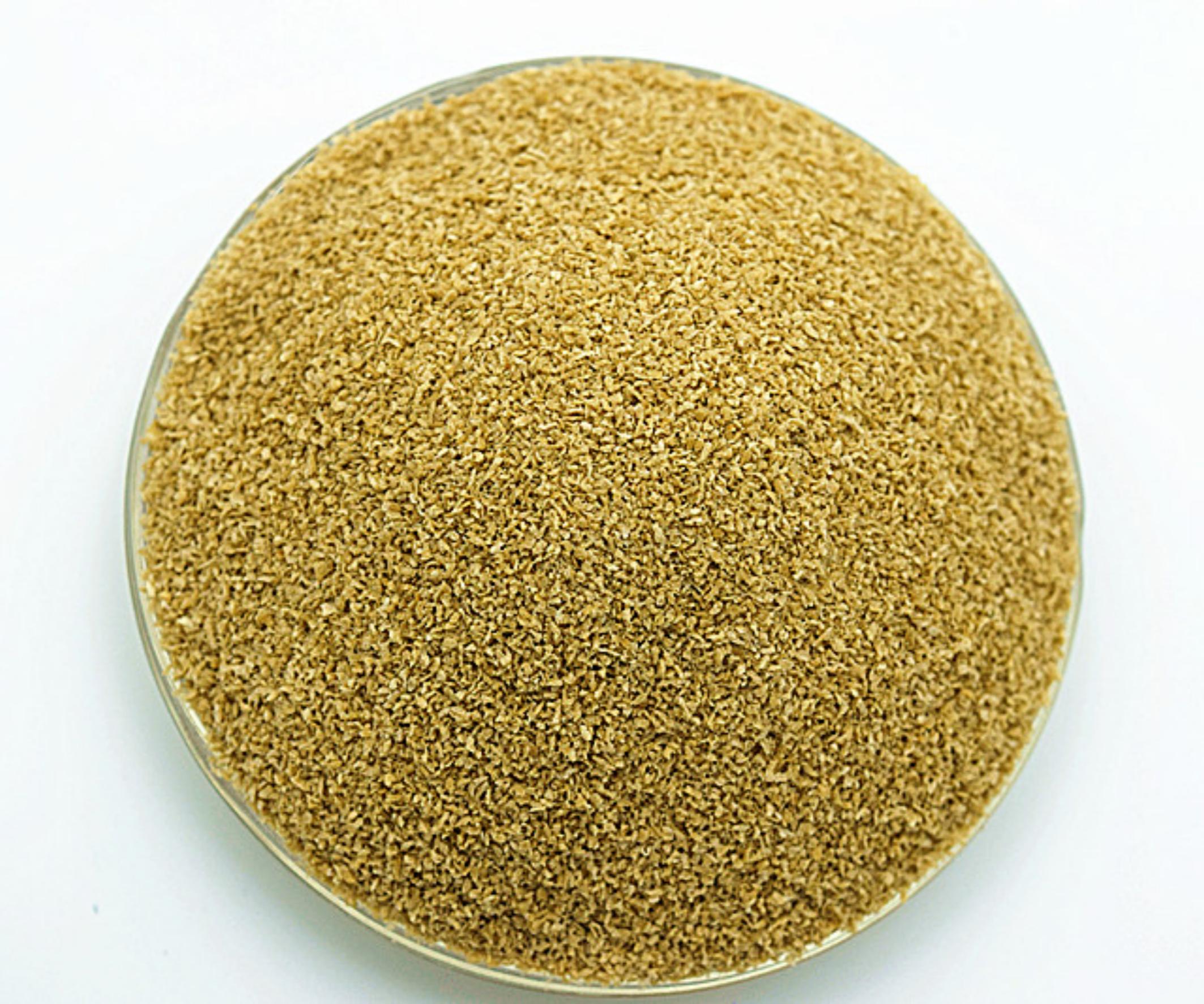
| Appearance | White to yellowish powder |
| Solubility | Soluble in water; insoluble in ethanol and chloroform |
| Charge | Anionic (negatively charged) |
Where Does Sodium Alginate Come From?
Sodium alginate is produced through a multi-step extraction process from brown seaweed:
Harvesting: Brown seaweed is collected from coastal waters or cultivated in marine farms.
Extraction: The seaweed is treated with alkali (typically sodium carbonate or sodium hydroxide) to dissolve the alginic acid.
Separation: The extract is separated from insoluble seaweed residue.
Precipitation: Alginic acid is precipitated by adding acid, then converted to sodium alginate.
Drying and milling: The purified sodium alginate is dried, milled, and classified by particle size and viscosity.
Major producing regions include China, Norway, Chile, and the United States. China is the world's largest producer, with mature supply chain integration from seaweed cultivation to finished product .
Key Functional Properties
Sodium alginate's versatility stems from a combination of functional properties that few other hydrocolloids can match.
1. Thickening
Sodium alginate dissolves in water to form highly viscous solutions. Its pseudoplastic (shear-thinning) flow behavior means it flows easily under stress but maintains viscosity at rest—ideal for applications requiring both processability and structure .
2. Gelling
When sodium alginate encounters calcium ions (Ca²⁺), it forms a thermally irreversible gel through the "egg-box" crosslinking mechanism. This gel does not melt upon heating, unlike gelatin or agar gels, making it valuable for processed foods and high-temperature applications .
3. Stabilizing
Sodium alginate stabilizes emulsions and suspensions by increasing the viscosity of the continuous phase and forming protective films around dispersed particles. It prevents separation, sedimentation, and ice crystal growth .
4. Water Retention
Sodium alginate binds water effectively, improving moisture retention in food products, reducing staling in baked goods, and enhancing juiciness in meat products .
5. Film-Forming
Sodium alginate forms flexible, transparent films that are edible, biodegradable, and impermeable to oxygen and lipids. These properties are valuable for food coatings and packaging applications .
6. Anionic Nature
As an anionic polysaccharide, sodium alginate does not react with anionic dyes (such as reactive dyes) or anionic proteins. This compatibility is critical in textile printing and certain food applications .
Major Applications of Sodium Alginate
Food and Beverage
| Application | Function |
|---|---|
| Ice cream | Stabilizer; controls ice crystals, improves melt resistance |
| Bakery | Dough conditioner; water retention, texture improvement |
| Plant-based meat | Binder; improves cohesion, juiciness, and texture |
| Beer | Foam stabilization; copper removal |
| Sauces and dressings | Thickener; prevents separation |
| Molecular gastronomy | Spherification; gel formation |
| Edible films | Coating; extends shelf life of produce |
Textile and Printing
| Application | Function |
|---|---|
| Reactive dye printing | Thickener; high color yield, sharp patterns, soft hand |
| Warp sizing | Sizing agent; replaces PVA in eco-friendly processing |
| Lace and embroidery | Water-soluble fiber; temporary support structure |
Industrial Applications
| Application | Function |
|---|---|
| Welding rods | Binder; improves coating plasticity and green strength |
| Ceramics | Gelcasting and granulation; clean burnout |
| Drilling fluids | Rheology modifier; filtration control |
| Water treatment | Flocculant; heavy metal removal |
| Paper | Surface sizing; improves printability |
Cosmetics and Personal Care
| Application | Function |
|---|---|
| Lotions and creams | Thickener; stabilizer |
| Toothpaste | Binder; controls consistency |
| Face masks | Film-former; peel-off properties |
| Hair care | Stabilizer; improves texture |
Sodium Alginate vs. Other Hydrocolloids
Understanding how sodium alginate compares to alternative hydrocolloids helps formulators select the right ingredient for each application.
| Hydrocolloid | Source | Key Property | Best For |
|---|---|---|---|
| Sodium Alginate | Brown seaweed | Calcium-reactive gelling; anionic | Spherification, textile printing, plant-based meat |
| Xanthan Gum | Fermentation | High low-shear viscosity | Sauces, gluten-free baking, beverages |
| Guar Gum | Guar bean | Cold-water thickening | Dairy, baked goods, ice cream |
| Locust Bean Gum | Carob bean | Synergistic with xanthan | Ice cream, dairy |
| Carrageenan | Red seaweed | Protein-reactive gelling | Dairy, plant-based milk |
| Pectin | Citrus/apple | Acid-reactive gelling | Jams, jellies, fruit preparations |
| Gelatin | Animal collagen | Thermo-reversible gelling | Desserts, confectionery |
| Agar | Red seaweed | Thermo-reversible, rigid gels | Desserts, microbiological media |
Sodium alginate's unique combination of anionic character, calcium reactivity, and thermal irreversibility gives it a distinctive position among hydrocolloids.
Grades of Sodium Alginate
Sodium alginate is available in different grades tailored to specific applications:
| Grade | Assay | Typical Applications |
|---|---|---|
| Food Grade | ≥98% | Food, beverage, culinary |
| Pharmaceutical Grade | ≥99% | Wound dressings, dental impressions |
| Industrial Grade | ≥90% | Textile printing, welding rods, ceramics |
| Technical Grade | Variable | Drilling fluids, water treatment |
Food-grade sodium alginate must comply with strict purity standards, including limits on heavy metals, arsenic, and microbiological contamination. Industrial grades prioritize cost-effectiveness and performance over purity.
Sourcing Considerations
When selecting a sodium alginate supplier, consider:
Grade and purity: Match the grade to your application requirements.
Viscosity specification: Choose low, medium, or high viscosity based on processing needs.
G/M ratio: High G for rigid gels; high M for soft, elastic gels.
Particle size: Fine powder for rapid hydration; granular for dust control.
Documentation: COA, MSDS, allergen statements, and origin certificates.
Certifications: ISO, Halal, Kosher, and food safety certifications as required.
Supply reliability: Consistent batch-to-batch quality and on-time delivery.
Why Choose Qingdao Lanneret Biochemical Co., Ltd.?
Qingdao Lanneret Biochemical Co., Ltd. has been manufacturing and supplying sodium alginate since 2007. We provide food-grade and industrial-grade sodium alginate for customers across the food, textile, and industrial sectors.
Our Advantages:
Full range of grades: Food grade, industrial grade, and customized specifications
Consistent quality: Assay ≥98% (food grade), controlled viscosity, full traceability
Customizable parameters: Viscosity, particle size, and G/M ratio tailored to your application
Technical support: Application guidance from our experienced team
Global shipping: Reliable delivery to customers worldwide
Competitive pricing: Direct manufacturer pricing without intermediary markups
Whether you need a single trial order or a long-term supply agreement, we are committed to delivering alginate products that perform as promised.
Conclusion
Sodium alginate is a remarkably versatile hydrocolloid with applications spanning food, textile, industrial, cosmetic, and environmental sectors. Its unique properties—calcium-reactive gelling, anionic character, thermal irreversibility, and water retention—make it indispensable in many formulations.
Key takeaways:
Origin: Extracted from brown seaweed
Chemistry: Linear copolymer of M and G units
Key functions: Thickener, gelling agent, stabilizer, film-former
Major applications: Food, textile printing, welding rods, ceramics, water treatment
Grades: Food, pharmaceutical, industrial, and technical
As demand for natural, sustainable ingredients continues to grow, sodium alginate's role across industries is only likely to expand.
Contact Us
Have questions about sodium alginate or need a quote? Contact our team for technical support, samples, and pricing.
Qingdao Lanneret Biochemical Co., Ltd.
Website: www.qdalginate.com
Elaine Yu | Sales Manager
Email: [email protected]
Phone: +86 18765923485
Your reliable sodium alginate partner—since 2007.