+86 18765923485

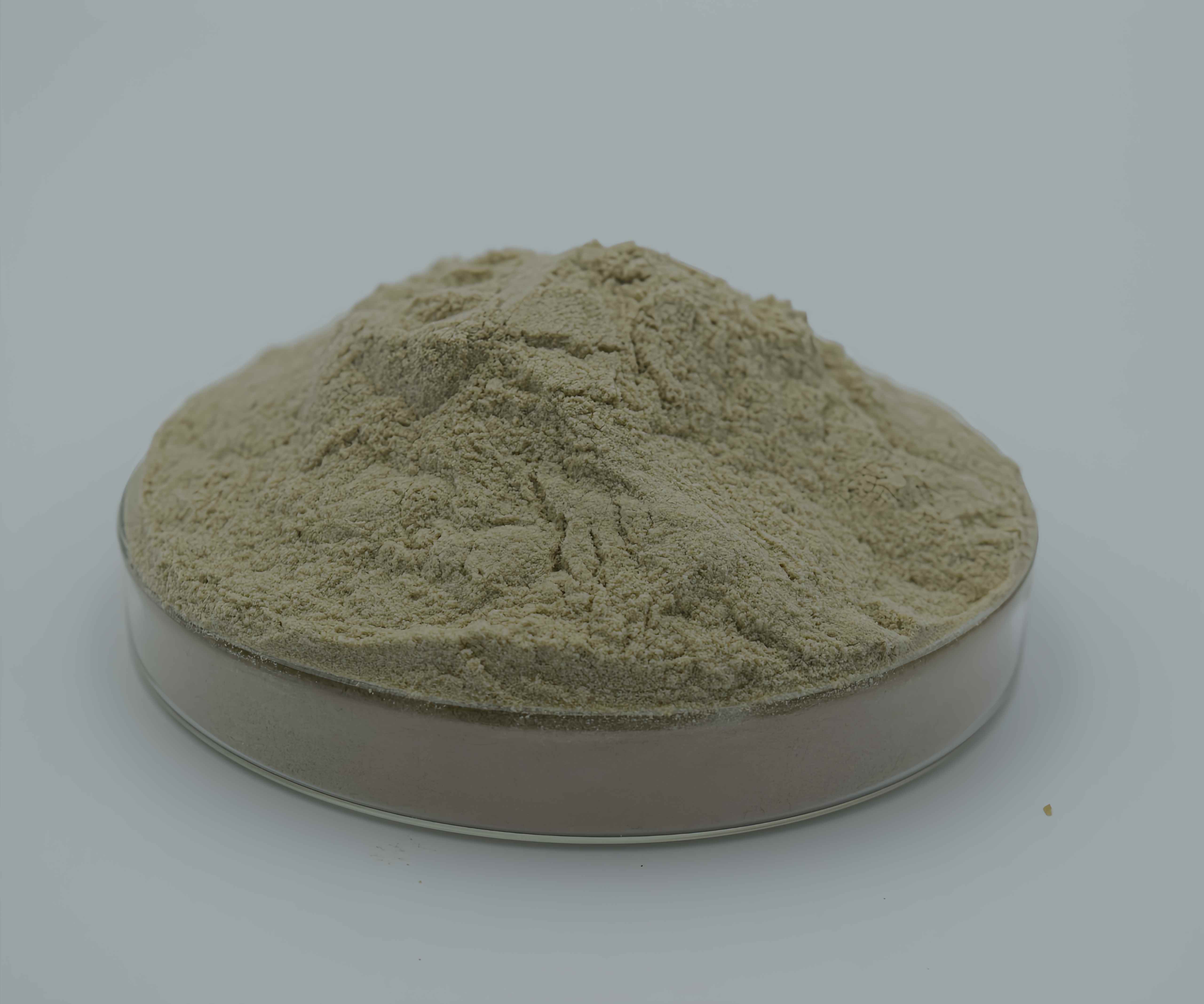
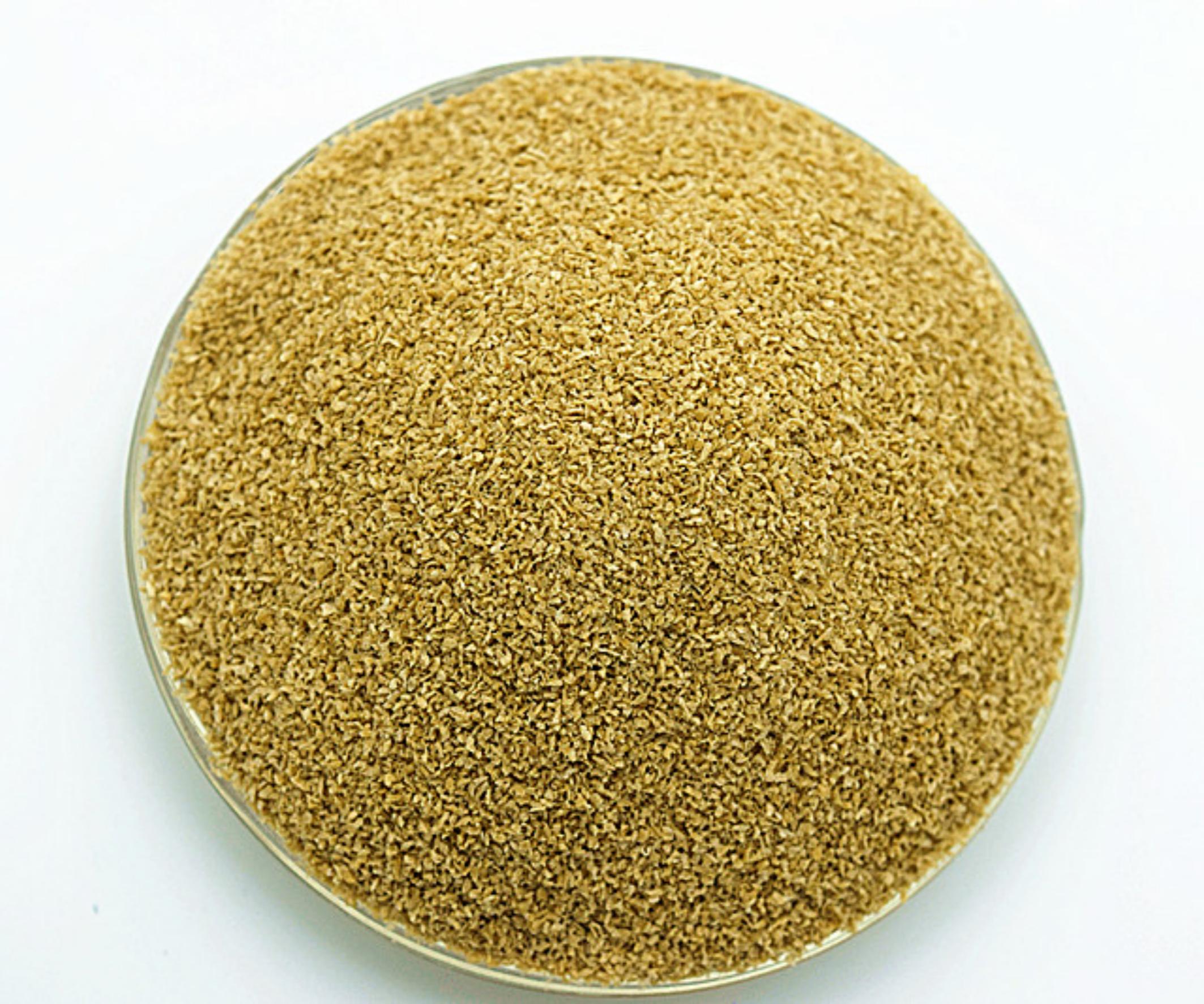
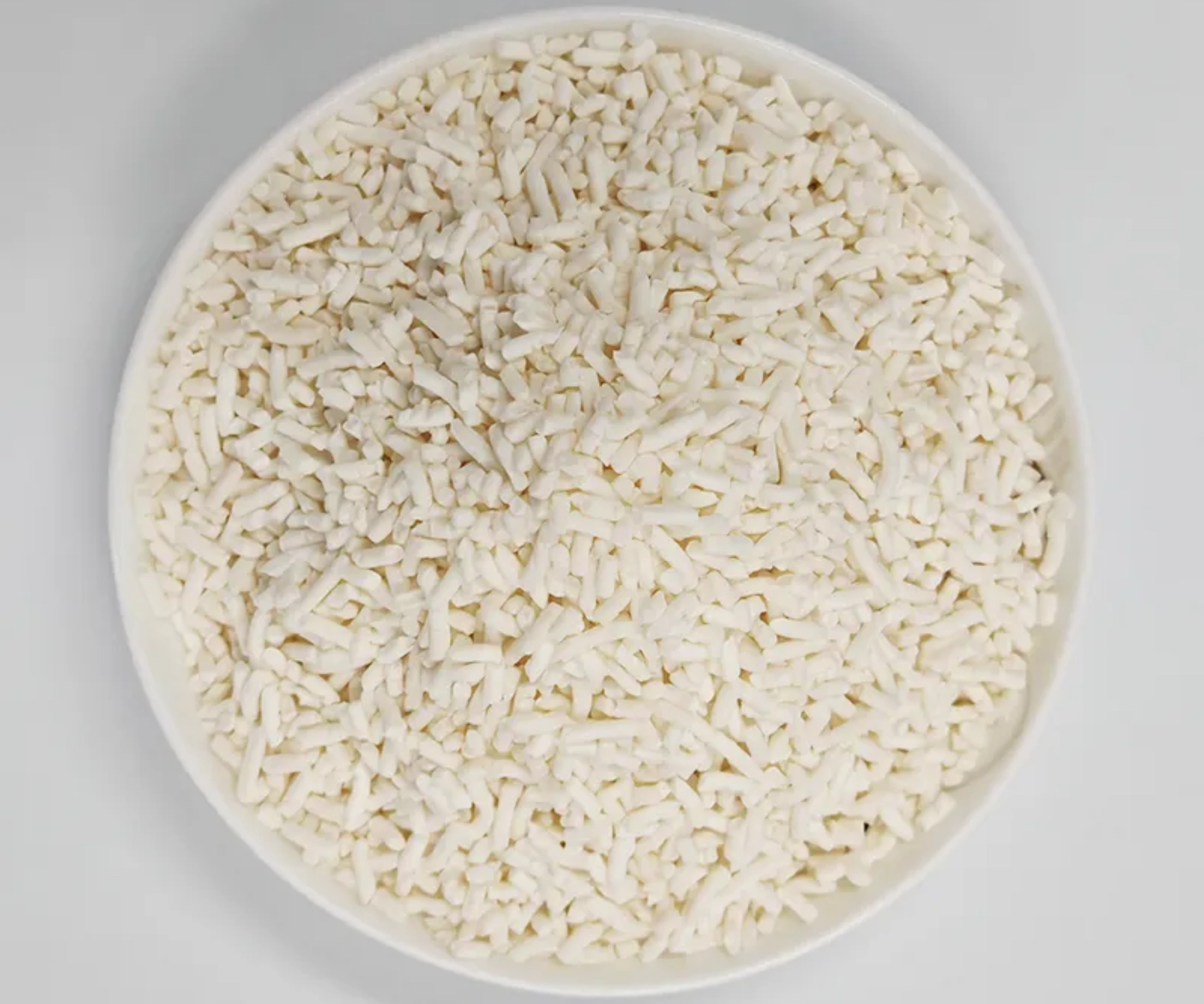
Welding grade sodium alginate
- Strong Custom Adaptability: Can be customized on demand using sodium alginate, potassium alginate, calcium alginate, and lithium alginate to suit different electrode operating environments and welding materials.
- Excellent Welding Performance: Stabilizes the electric arc, reduces spatter, generates protective gas at high temperatures to shield the weld pool, and lowers the risk of metal oxidation and nitridation.
- Superior Coating Formation: Offers good adhesion and plasticity, enhances the crack resistance of the electrode coating, prevents deformation and cracking, and facilitates easy extrusion coating production of electrodes.
- Safe and Durable Quality: Low content of P, S, and Cl ensures weld joints are resistant to corrosion; low ash content and high purity extend product service life.
1. Product Introduction:
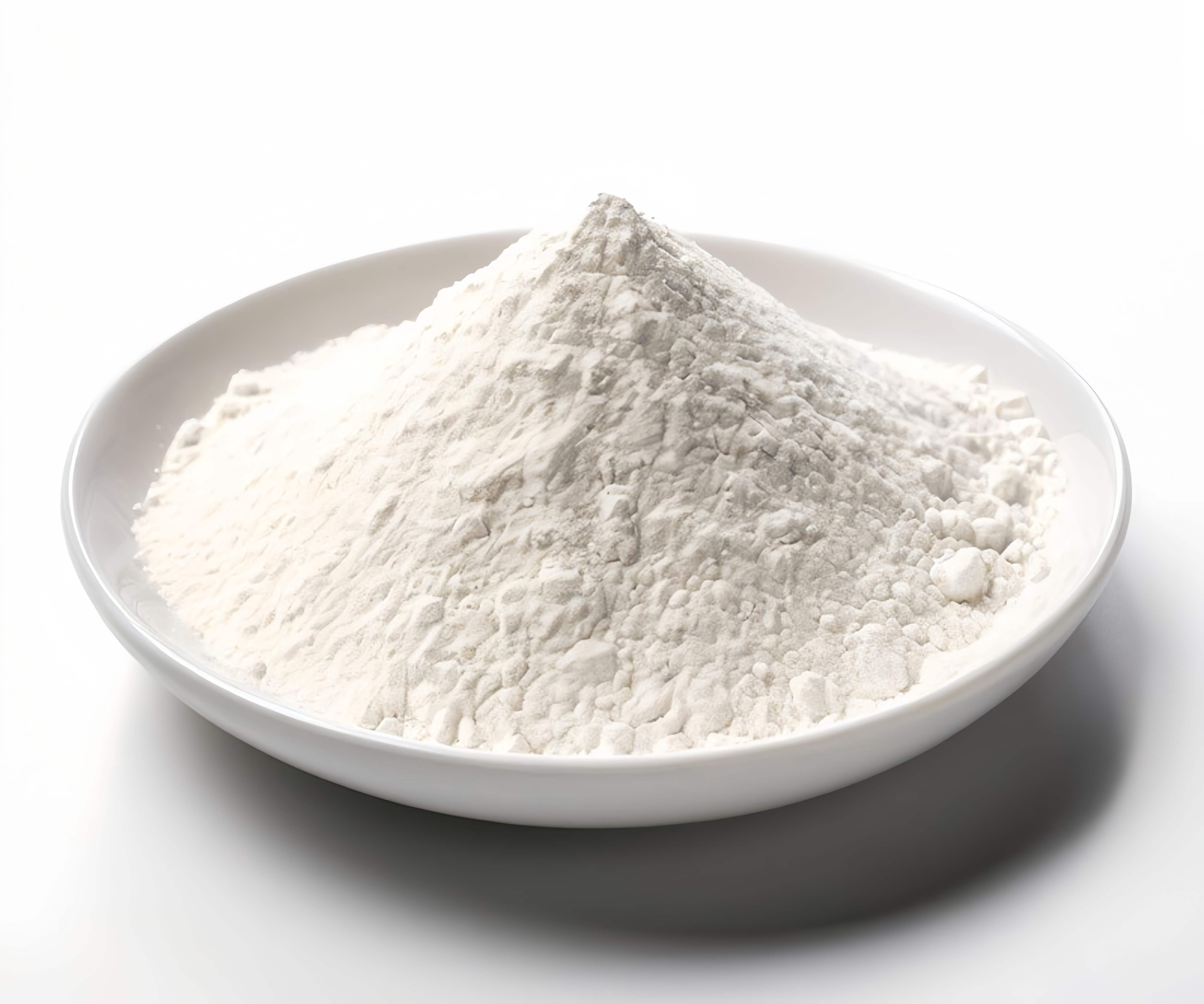
Welding-specific alginate contains a large number of low ionization potential ions such as sodium, potassium, and calcium.
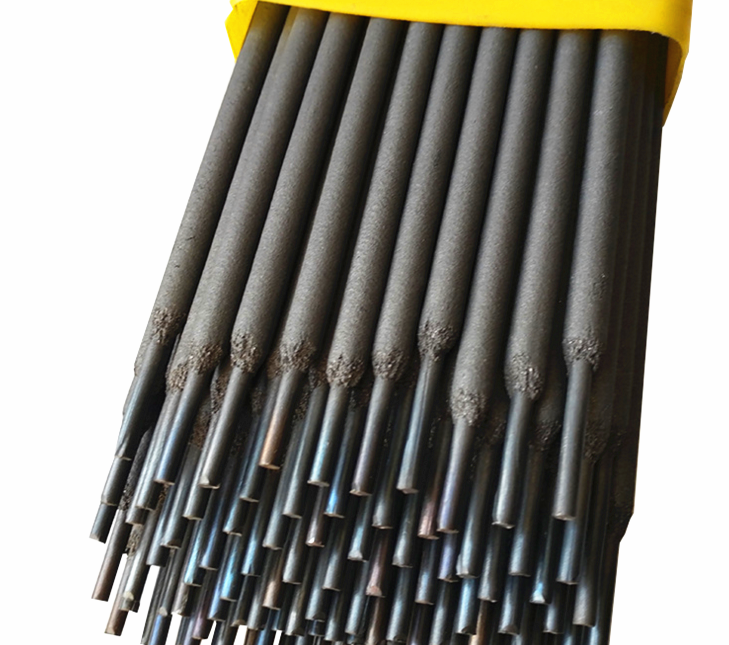
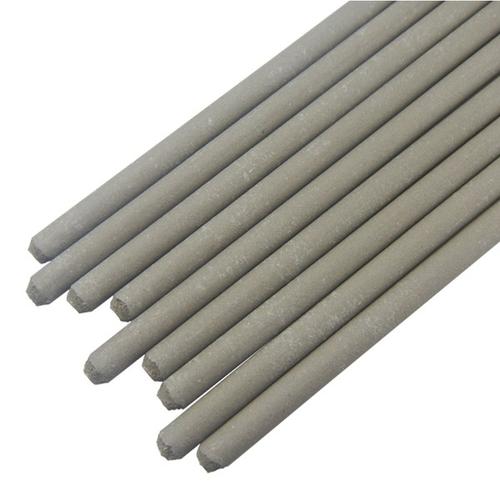
It is mainly used in the coating part of welding electrodes. When mixed with electrode coating materials, alginate can bond and moisten the coating materials, providing sufficient plasticity during the extrusion process. Additionally, it burns easily into ash during welding, reducing spatter, and exhibits excellent performance in stabilizing the electric arc, protecting the weld pool, and facilitating extrusion coating of the electrode coating.
The welding-specific alginate produced by Lan Nuo can be specially customized using sodium alginate, potassium alginate, calcium alginate, or lithium alginate based on the specific electrode operating environment and welding materials.
2. Product Advantages:
1> Low P, S, and Cl content, ensuring weld joints are not prone to corrosion.
2> Low ash content, which helps reduce spatter and stabilize the electric arc.
3> High purity prevents the outer coating from deformation and cracking, extending product service life.
4> Stabilizes the electric arc, improving the stability of arc combustion and ensuring continuous welding.
5> Plays a crucial role in protecting the weld pool. As an organic polymer, alginate generates a large amount of gases (such as carbon monoxide, carbon dioxide, and hydrogen) when exposed to high temperatures during welding. These gases envelope the electric arc and weld pool, reducing the interaction between molten metal and air and protecting the metal from oxidation and nitridation.
6> Possesses certain adhesive properties. As a polymer, alginate exhibits appropriate viscosity in water, which enhances the plasticity and adhesion of the electrode coating, simplifies the extrusion coating production of electrodes, improves crack resistance, and avoids coating cracking.
3.Usage Method:
Production Process of Welding Electrodes:
The production process of welding electrodes consists of the following 7 steps:
1> Processing of the electrode core (derusting, drawing, straightening, and cutting).
2> Preparation of electrode coating raw materials (crushing and sieving).
3> Preparation and blending of water glass.
4> Preparation of electrode coating.
5> Extrusion forming of electrodes.
6> Drying and packaging of electrodes.
7> Inspection of finished electrodes.
Welding-specific alginate is mainly used in the second step above (preparation of electrode coating). The specific usage method is to mix the welding-specific alginate evenly with other coating ingredients, then add water glass for mixing.
Recommended Dosage:
The addition amount is 1-3%, which can also be appropriately adjusted according to production requirements.