+86 18765923485

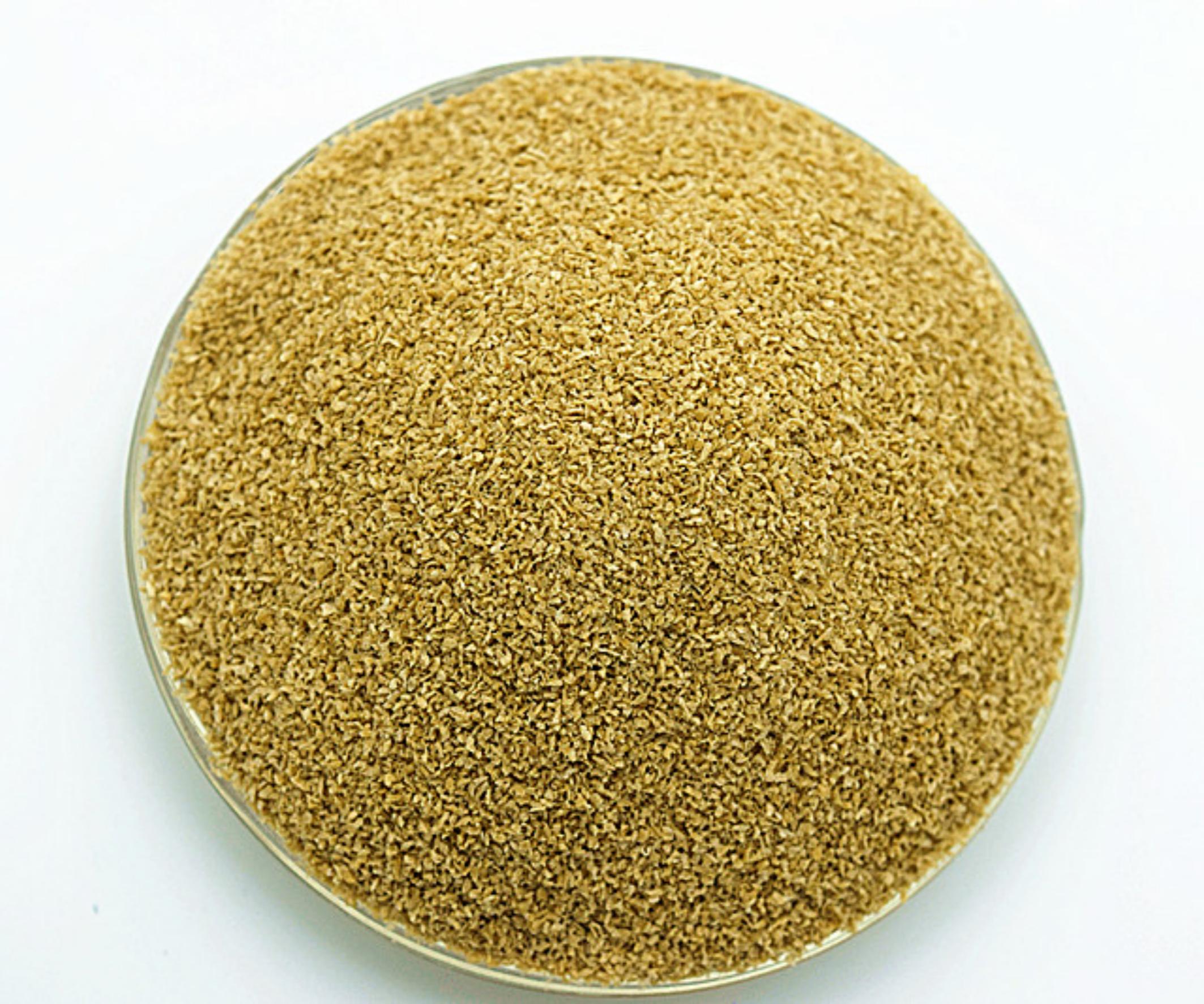
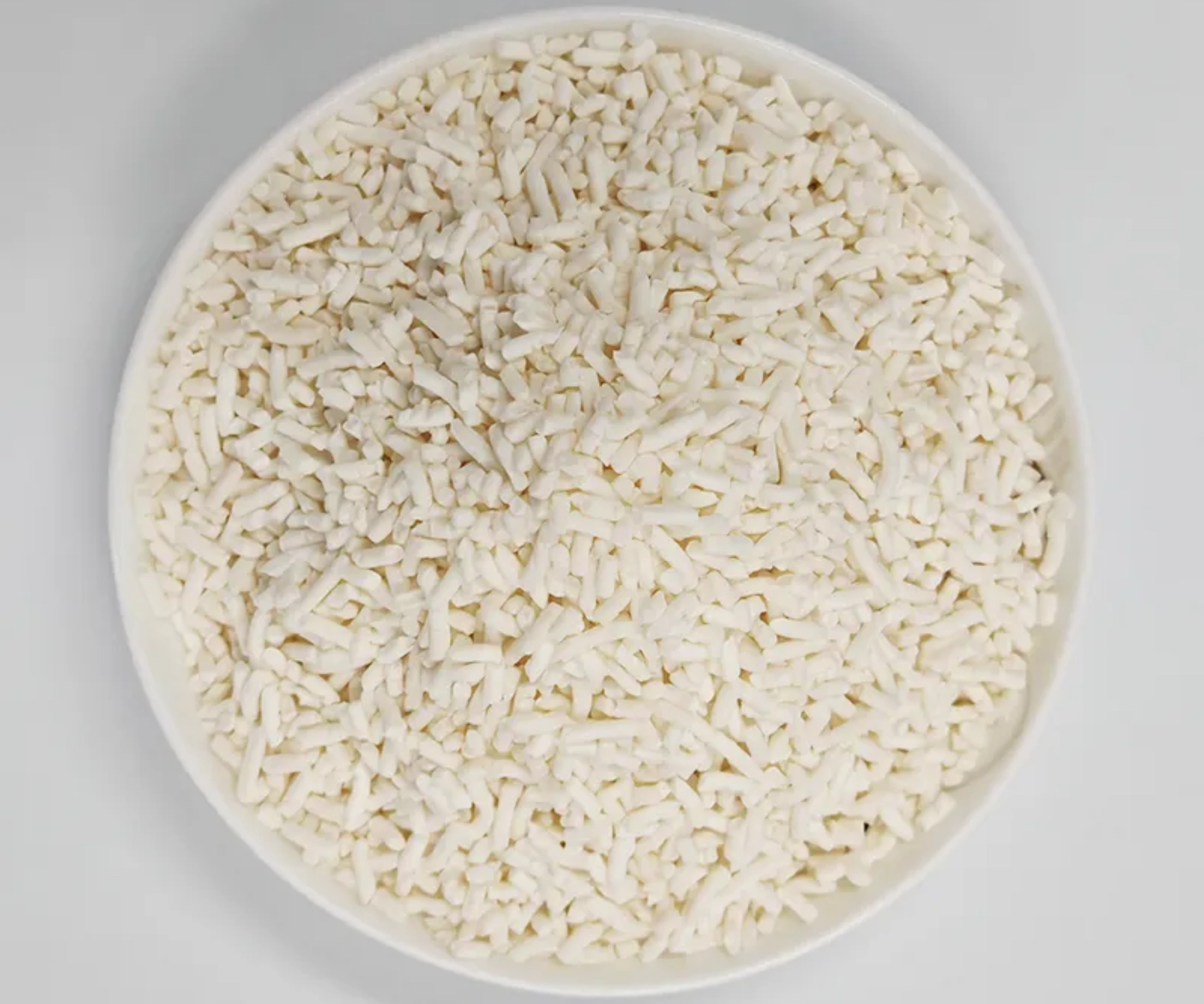
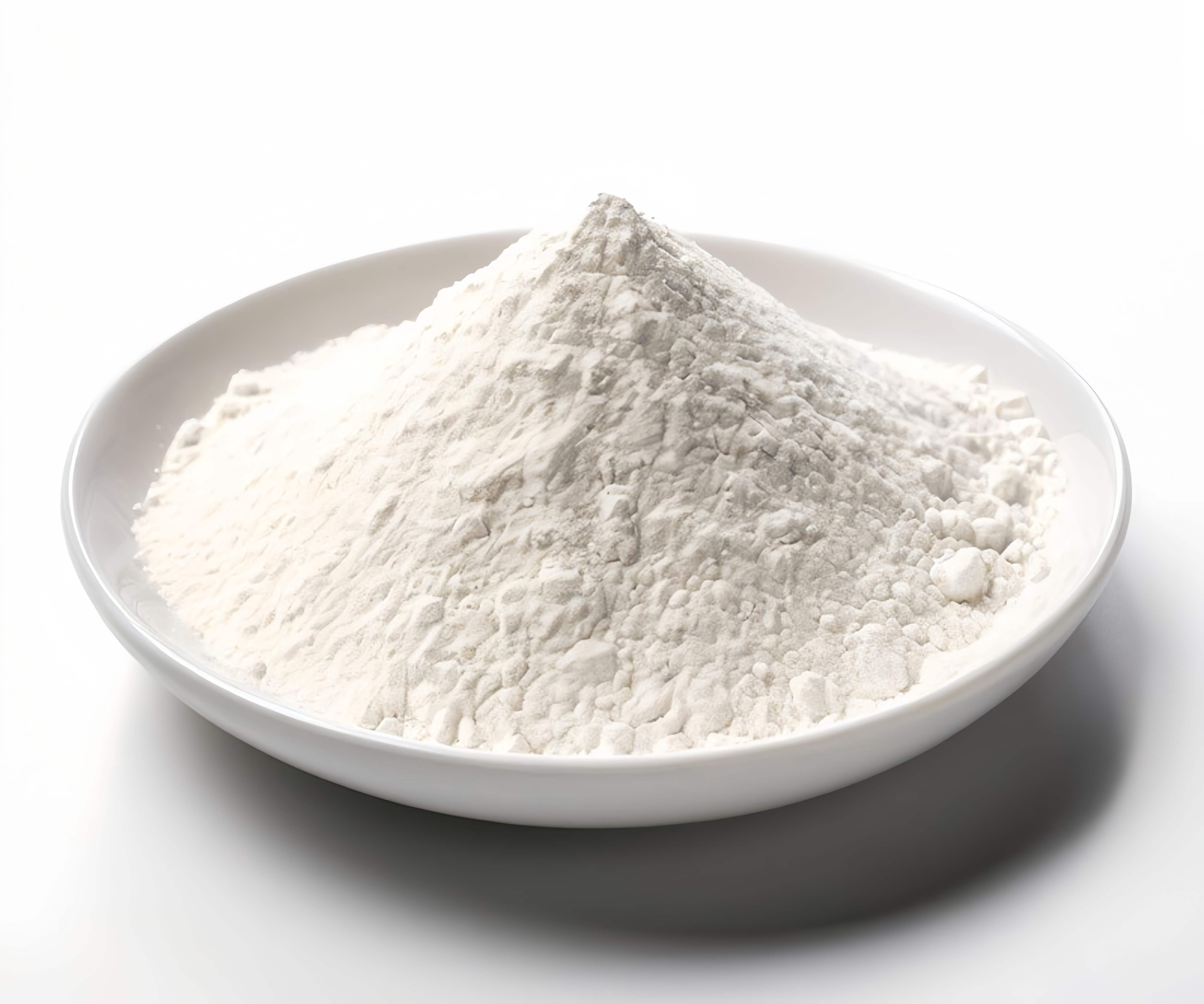
Sodium alginate for bursting beads
- Rapid Film Formation: Crosslinks quickly upon contact with calcium ions, forming a thin and tough outer membrane in 3~5 seconds, enabling easy formation of bursting beads.
- Adjustable Texture: The crispness and toughness of the membrane can be regulated by viscosity and concentration; secondary calcification can further enhance the firmness of the outer skin.
- Excellent Formula Compatibility: Compatible with core raw materials, odorless, and does not interfere with the original flavor of fruit juices, pulp, etc.
- Wide Application Range: Resistant to normal and low-temperature environments, suitable for various scenarios such as milk tea, fruit drinks, ice cream, and desserts.
1. Product Introduction:
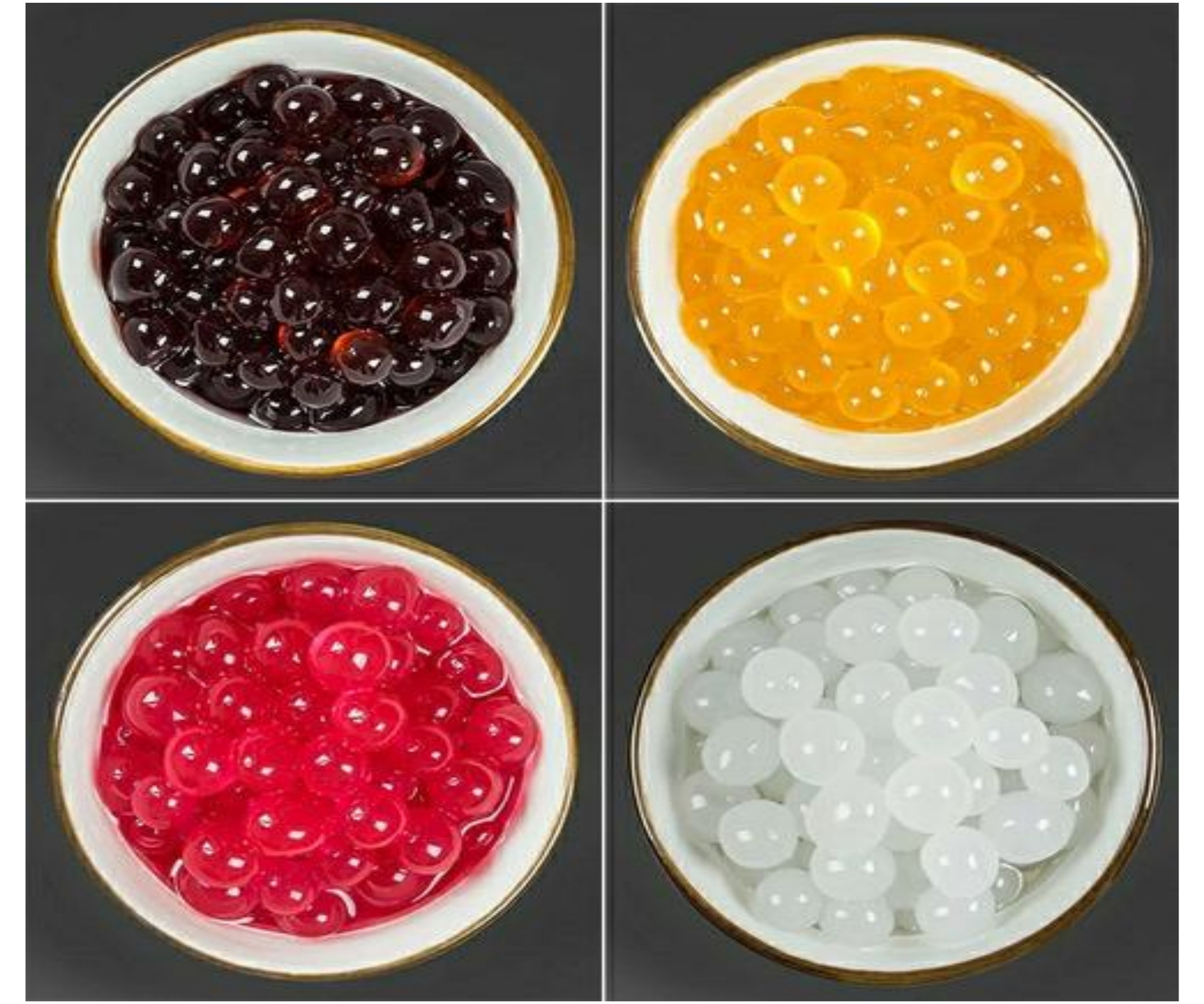
Bursting beads, also known as magic beans, consist of fruit juice, water chestnut, blueberry pulp, or other ingredients wrapped in a thin membrane. When squeezed in the mouth, the membrane breaks, releasing sweet juice. The raw material used to make this membrane is sodium alginate.
2. Raw Materials for Making Bursting Beads:
• Core Raw Materials: Water, white sugar, glucose syrup, xanthan gum, guar gum, citric acid, calcium lactate or calcium chloride, food flavoring, food coloring, preservative (potassium sorbate).
• Outer Membrane Raw Materials: Water, sodium alginate.
3. Production Process of Bursting Beads:
Core Slurry Preparation:
A> Dissolve xanthan gum and guar gum separately into 0.5% gum solutions;
B> Prepare a mixed solution with the mass ratio of glucose syrup : xanthan gum : guar gum = 1:2:2;
C> Add approximately 0.3% citric acid to adjust the sugar-acid ratio; white sugar or concentrated fruit juice can also be added according to personal preferences for blending;
D> Add 0.5-1% calcium lactate or calcium chloride and stir evenly;
E> Add an appropriate amount of food flavoring and coloring, then stir thoroughly.
Outer Membrane Slurry Preparation:
Select sodium alginate with a viscosity of 400~500 mPa·s and prepare a 0.7% gum solution.
Process Operation:
Pour the prepared core slurry into pouring equipment, adjust the pouring nozzle to an appropriate size, and drop it evenly into a container filled with the outer membrane slurry. Let it stand for 3~5 seconds, then fish out the beads once the outer membrane solidifies and forms.
4. Applications of Bursting Beads:
Suitable for normal temperature, low temperature, and cold drinks; can be used in milk tea, fruit drinks, dairy drinks, cake decoration, ice cream decoration, shaved ice porridge, etc.
Notes:
The contents of citric acid and calcium salts in the core are crucial indicators for making bursting beads. Excessive or insufficient acid or calcium will affect the formation and texture. If a firmer outer membrane is desired, quickly calcify the bursting beads in a 3~5% calcium chloride solution, then rinse with clean water to maintain a smooth surface without roughness.