+86 18765923485

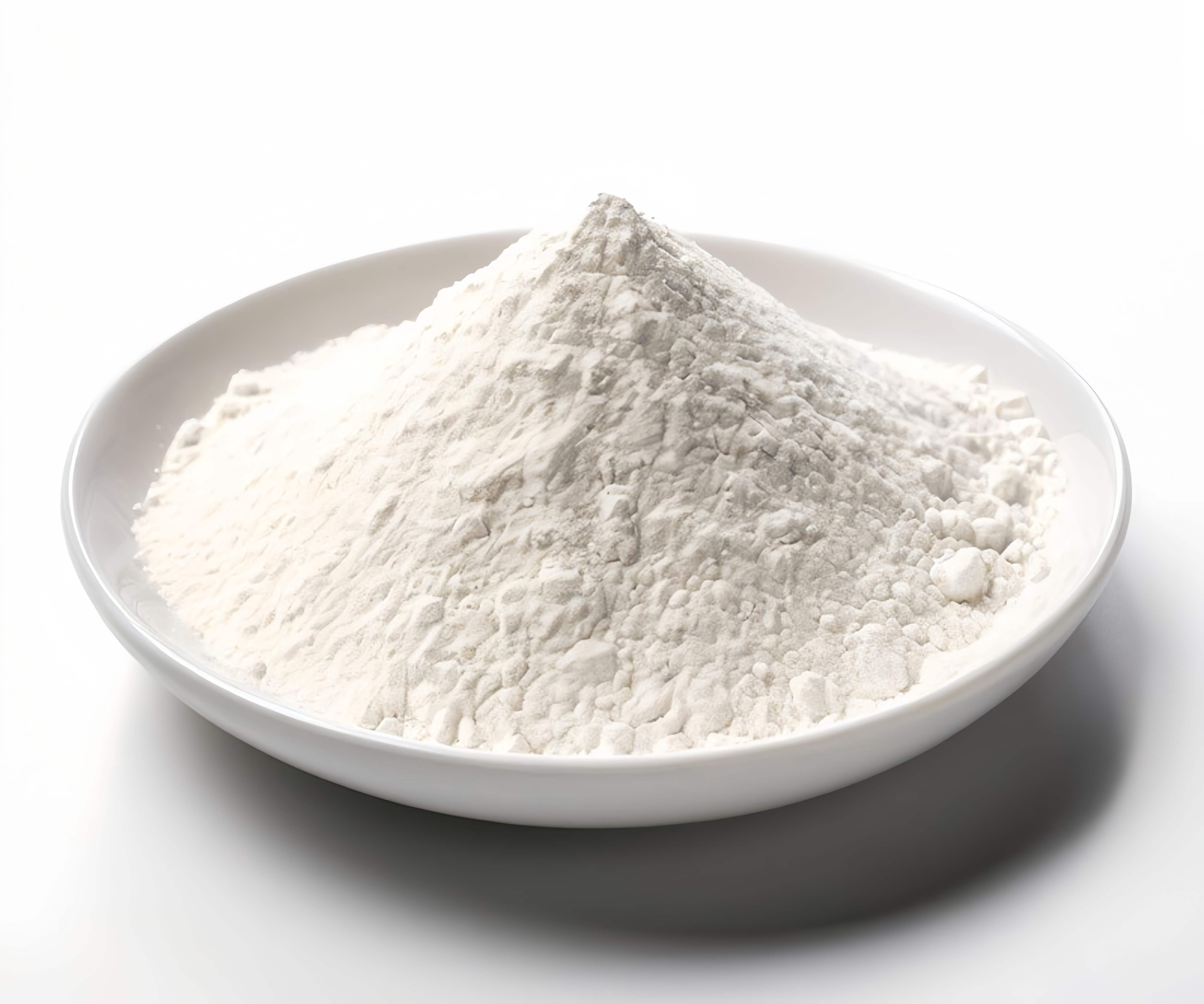
Textile grade sodium alginate
- High Purity & Strong Stability
- High Filtration Efficiency & Good Mesh Penetration
- Excellent Coloring Performance & Easy Desizing
- Clear and Bright Patterns
- Low Dosage Requirement
1. Product Introduction of Printing-Grade Sodium Alginate
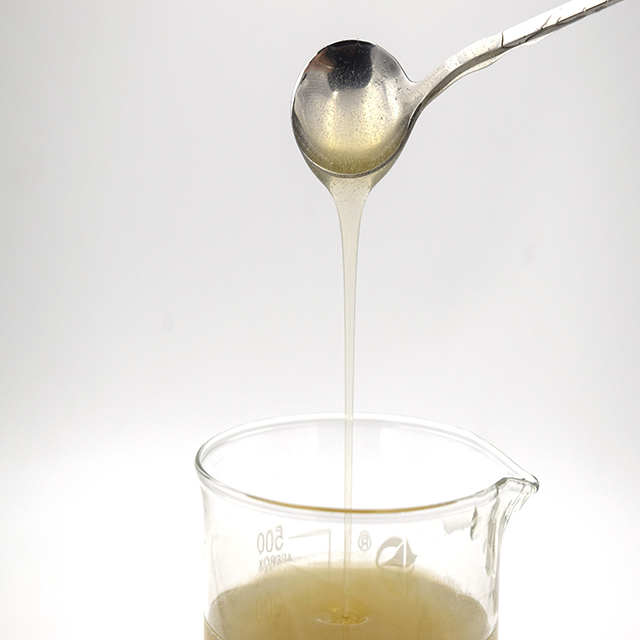
As a water-soluble polymer, sodium alginate can be easily dissolved in water to form a viscous solution. In the textile industry, it is an excellent raw material for warp sizing and printing paste preparation. Especially in the printing and dyeing industry, sodium alginate paste offers superior washability and high desizing rate. The film formed on fabrics after printing exhibits appropriate adhesion and flexibility. It does not react with dyes or other auxiliaries, and the film—even after baking or high-temperature steaming—can be easily removed during washing, resulting in soft fabric hand feel.
Printing-grade sodium alginate can be used as reactive printing paste and disperse printing paste:
• Reactive Printing Paste:
Sodium alginate is an ideal paste for reactive dye printing because its molecular structure lacks functional groups that react chemically with reactive dyes. The —COONa groups in sodium alginate ionize in water to carry negative charges, making the polymer anionic. Reactive dyes also exhibit anionic properties due to ionizable water-soluble groups (e.g., carboxyl, sulfonic, sulfonamide groups) in their parent structure. Electrostatic repulsion prevents bonding between reactive dyes and sodium alginate paste, promoting dye uptake. Other pastes such as modified starch and synthetic dragon gum are not suitable for reactive dye printing, as their abundant hydroxyl groups tend to bond with the reactive groups of dyes, leading to poor fastness, weak color yield, water spotting, and color loss during rubbing.
• Disperse Printing Paste:
Disperse dyes are commonly used for printing synthetic fibers. When combined with sodium alginate as a thickener, excellent printing results are achieved. Given the hydrophobic nature of most synthetic fibers (which absorb minimal printing paste), low-viscosity sodium alginate is preferred to prepare high-solid-content pastes. This ensures uniform dispersion of dye particles, enhancing printing quality.
2. Technical Specifications
Item | Specification |
Product Name | Printing-Grade Sodium Alginate |
Appearance | White or Light Yellow |
Moisture Content (%) | ≤15 |
pH Value | 6.0-8.0 |
Calcium Content (%) | ≤0.015 |
Mesh Size | 60-120 Mesh |
Printing Viscosity Index (PVI) | 0.60-0.95 |
Filtration | 32 im/0.8 bar >120 g |
3. Stock Paste Preparation
Material Name | Dosage | Remarks |
Sodium Alginate | 3-5 KG | - |
Sodium Hexametaphosphate | 0.5 KG | Added based on water hardness |
Water | X KG | - |
Total | 100 KG | - |
4. Color Paste Preparation
Material Name | Dosage | Remarks |
Stock Paste | 40-75 KG | Selected based on printing equipment (flat screen, rotary screen, roller, etc.) |
Urea | 1-15 KG | Added based on water hardness |
Reactive Dye | X KG | - |
Resist Salt | 0.7-1 KG | - |
Soda Ash | 1 KG | For dark fabrics; not required for light-colored fabrics |
Sodium Bicarbonate | 2.5 KG | - |
Water | Y KG | - |
Total | 100 KG | - |
5.Available Viscosity Parameters
Solution Concentration | Viscosity |
1% | 100 cps |
1% | 300 cps |
1% | 500 cps |
1% | 800 cps |
1% | >1000 cps |
Solution Concentration | Viscosity |
2% | 800 cps |
2% | 1000 cps |
2% | 1400 cps |
2% | 2000 cps |
2% | >2000 cps |
6.Method of Application
1>Pour warm water into a bucket and add sodium hexametaphosphate.
2>Under continuous stirring, slowly add sodium alginate to the warm water. Stir thoroughly until a uniform, grain-free paste is formed.
3>Add water to reach the total volume (100 KG), then adjust the pH to 7-8 with soda ash.
4>Add formaldehyde and set aside for use.
Notes:
• No boiling is required during paste preparation; the temperature should not exceed 60℃, as higher temperatures reduce viscosity.
• Sodium alginate paste hydrolyzes under light, causing a sharp drop in viscosity. Store in a dark place.
• The paste is stable at pH 6-11; it forms a gel when exposed to strong acids or alkalis.
• Heavy metal ions can also induce gelation, which can be prevented by adding sodium hexametaphosphate.
• Ordinary concentrations of Rongalite, sodium hydrosulfite, and sodium chlorate have no effect on the paste at room temperature.