+86 18765923485

- 08 Oct 2026
Sodium Alginate Spherification Techniques for Chefs
Few techniques in modern cuisine capture the imagination quite like spherification. A liquid that bursts in the mouth, releasing a flood of flavor inside a delicate gel skin—this is the magic that sodium alginate brings to the professional kitchen. Since Ferran Adrià and his team at elBulli popularized the technique in the early 2000s, spherification has become a cornerstone of molecular gastronomy, appearing on tasting menus from Copenhagen to Tokyo to New York.
But behind the theatrical presentation lies straightforward food science. The reaction between sodium alginate and calcium ions is predictable, controllable, and—with the right technique—remarkably consistent. This guide walks professional chefs and ambitious home cooks through the fundamentals of sodium alginate spherification, from basic principles to troubleshooting.
The Chemistry Behind Spherification
Spherification relies on a simple ion exchange reaction:
Sodium alginate (a polysaccharide extracted from brown seaweed) is dissolved into a flavored liquid.
When this liquid meets a calcium ion source (typically calcium chloride or calcium lactate), the calcium displaces sodium in the alginate molecule.
The displaced calcium ions crosslink the alginate polymer chains, forming a three-dimensional gel network—the "egg-box" model.
This gel forms instantly on contact, creating a thin membrane around the still-liquid center.
The result is a sphere with a liquid core and a gel shell—a technique that transforms sauces, juices, and purees into playful, textural experiences .
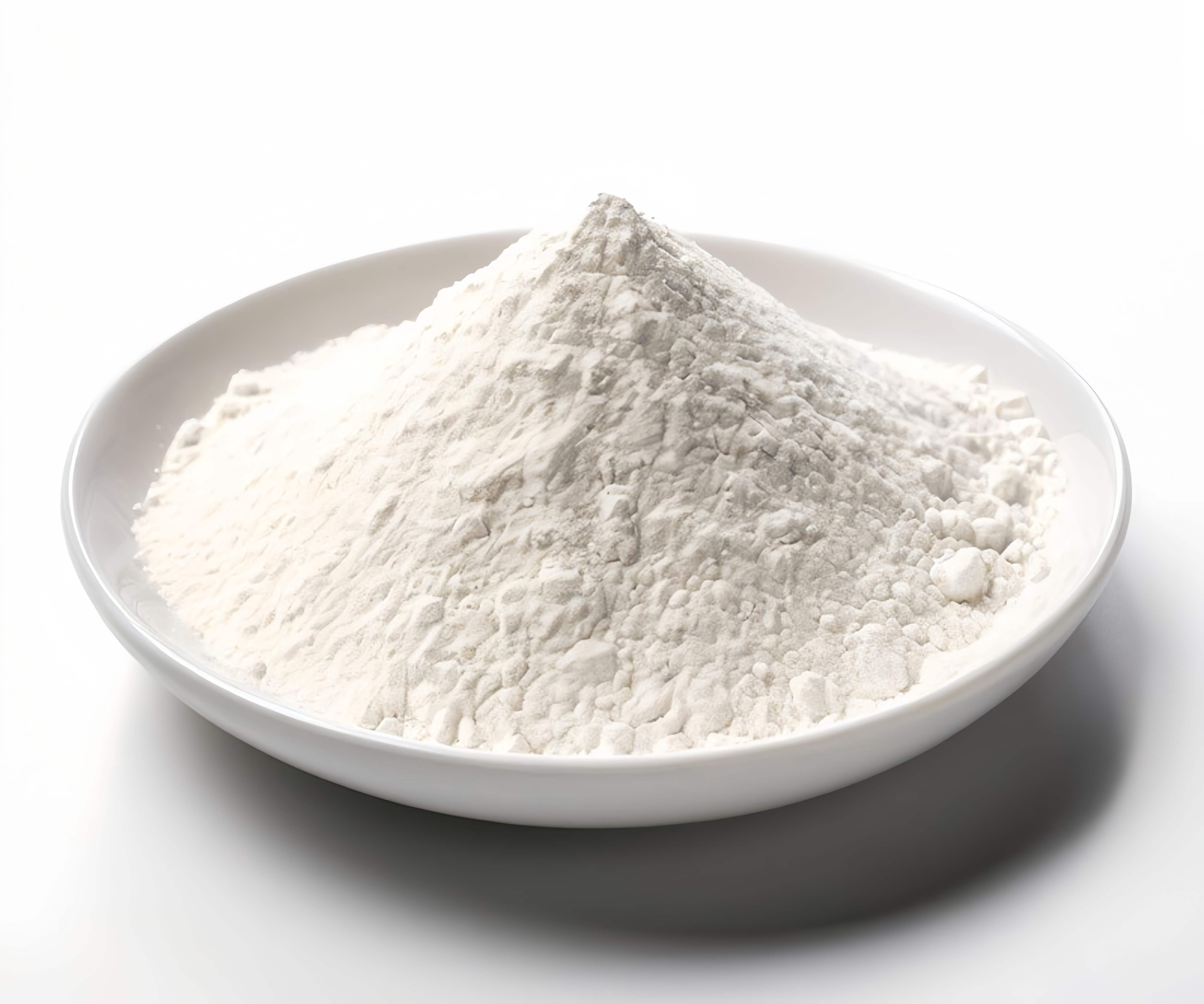
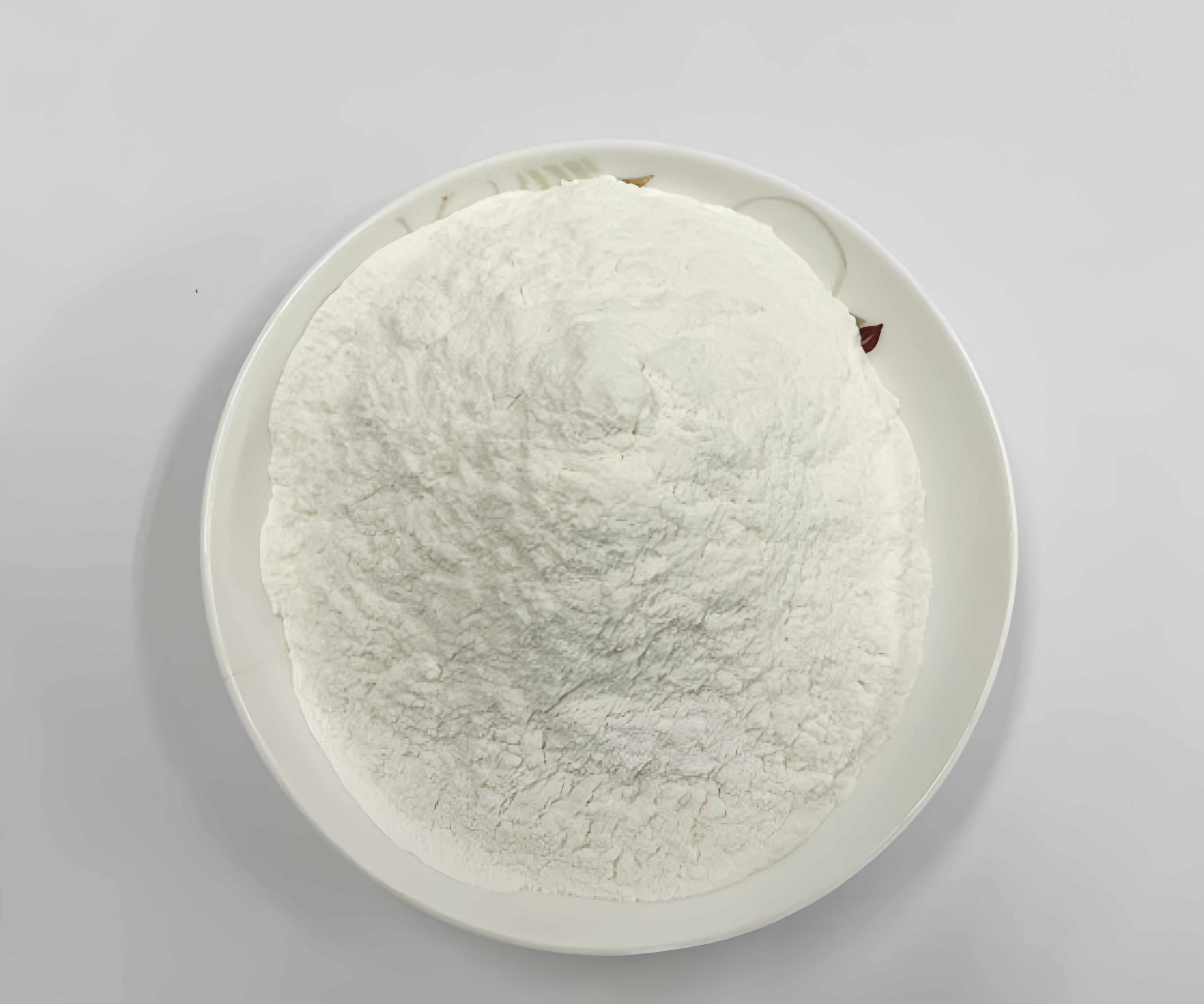
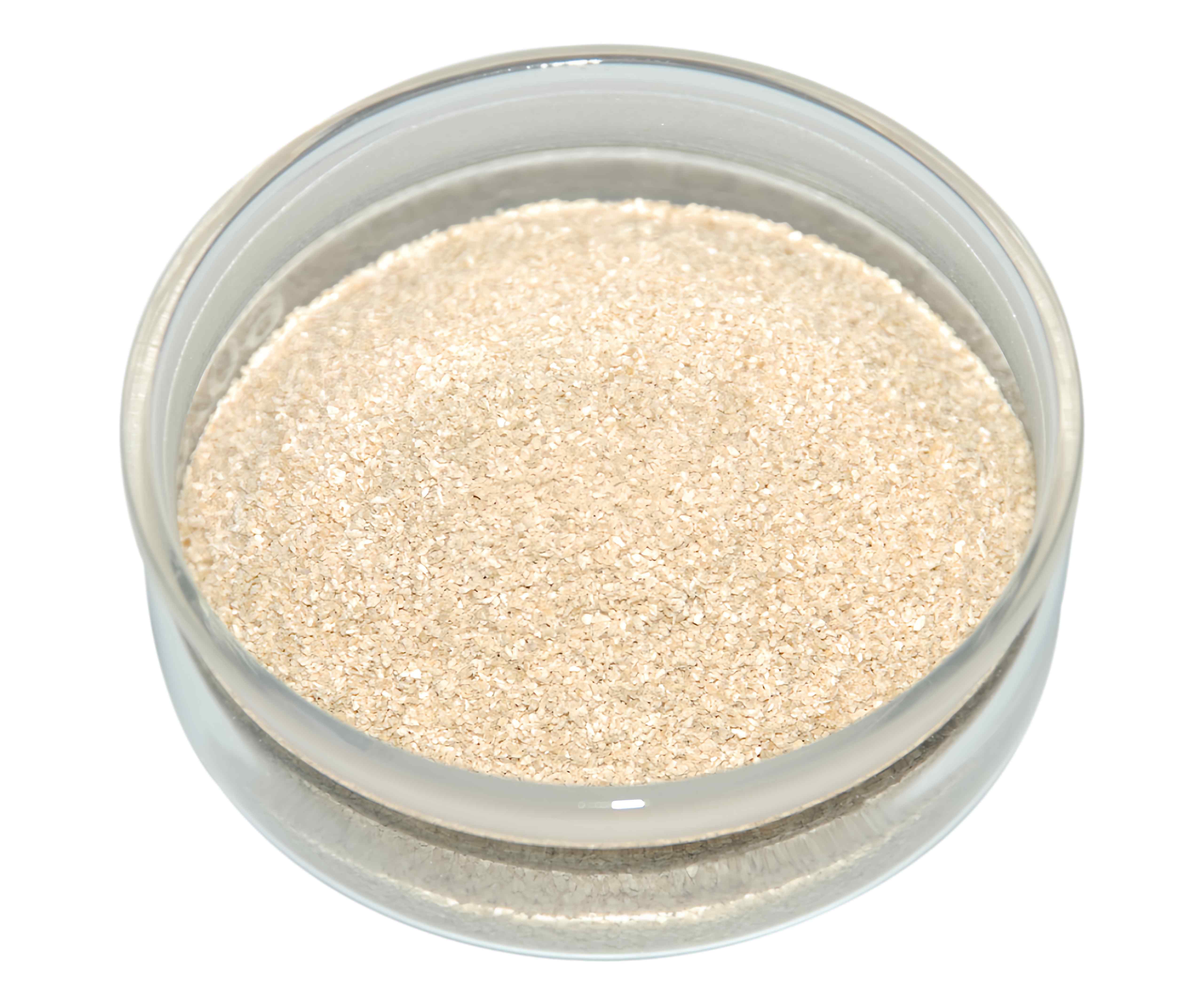
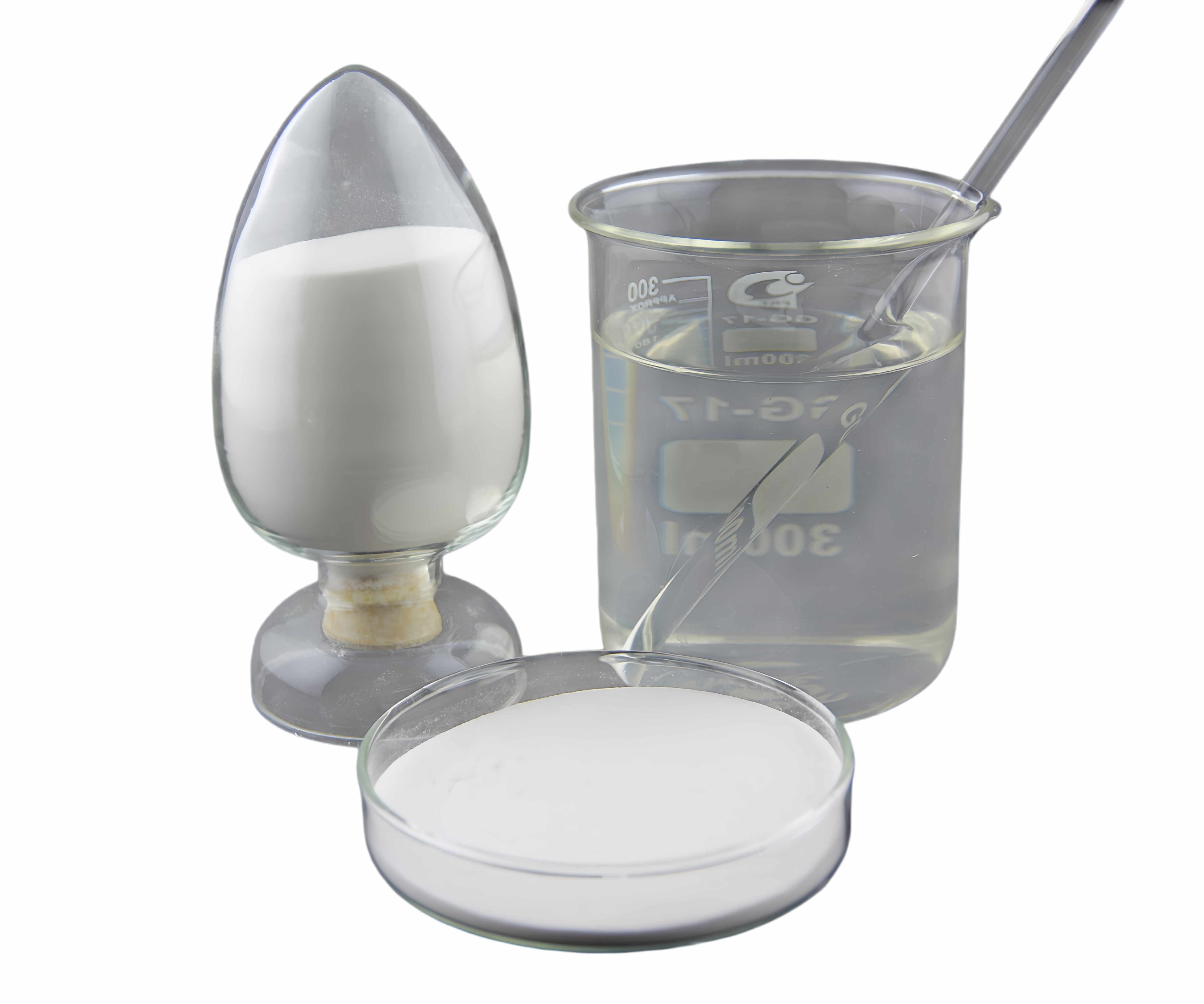
Sodium alginate is the essential gelling agent in this process. Without it, no calcium bath can create the membrane that defines spherification.
Two Approaches: Basic vs. Reverse Spherification
There are two primary methods for spherification, each suited to different ingredients and desired outcomes.
Basic Spherification
In basic spherification, sodium alginate is added to the flavored liquid, which is then dropped into a calcium bath.
How it works:
The alginate-containing liquid is dripped or spooned into a calcium chloride solution.
Gelation occurs from the outside in, forming a thin skin around the liquid core.
Spheres must be served relatively quickly, as the gel membrane thickens over time and eventually solidifies the entire sphere.
Best for:
Fruit juices and purees with low calcium content
Immediate service applications
Recipes where the liquid is naturally acidic
Limitations:
Not suitable for dairy (calcium-rich ingredients cause premature gelation)
Not suitable for alcoholic liquids (alcohol inhibits gelation)
Spheres continue to gel after removal from the bath—timing is critical
Reverse Spherification
In reverse spherification, the calcium source is added to the flavored liquid, which is then dropped into an alginate bath.
How it works:
The calcium-containing liquid is dropped into a sodium alginate solution.
Gelation occurs from the inside out, forming the membrane at the interface.
The gel layer stops forming once the calcium in the sphere is depleted, so spheres can be held longer without becoming solid.
Best for:
Dairy products (yogurt, milk, cream)
Alcoholic liquids (within limits)
Acidic ingredients
Make-ahead applications
Limitations:
Requires calcium lactate or calcium gluconate (calcium chloride can taste bitter)
Alginate bath must be prepared in advance and has limited reusability
Ingredient Ratios and Formulation
Precise measurement is essential for consistent results. The following ratios provide a reliable starting point.
Basic Spherification Formula
| Component | Ratio | Notes |
|---|---|---|
| Sodium alginate | 0.5% of liquid weight | E.g., 2.5g per 500g liquid |
| Calcium chloride bath | 1% solution | E.g., 5g calcium chloride per 500g water |
| Setting time | 30 seconds – 2 minutes | Depends on desired skin thickness |
Reverse Spherification Formula
| Component | Ratio | Notes |
|---|---|---|
| Calcium lactate | 0.5–1% of liquid weight | 2.5–5g per 500g liquid |
| Sodium alginate bath | 0.5% solution | 2.5g alginate per 500g water |
| Setting time | 1–3 minutes | Remove and rinse in clean water |
Important: For reverse spherification, use calcium lactate or calcium gluconate rather than calcium chloride. These salts have a milder taste, which matters because the calcium remains inside the sphere.
Step-by-Step: Basic Spherification
Equipment Needed
Sodium alginate (food grade)
Calcium chloride
Precision scale
Immersion blender
Fine mesh strainer or slotted spoon
Syringe, pipette, or measuring spoon
Water bath or deep bowl
Method
1. Prepare the alginate base
Blend sodium alginate into your flavored liquid using an immersion blender.
Let the mixture rest for at least 30 minutes to allow full hydration and release of air bubbles. Overnight resting is ideal.
2. Prepare the calcium bath
Dissolve calcium chloride in distilled or filtered water at a 1% concentration.
Set aside in a deep bowl or container.
3. Form the spheres
Fill a syringe or measuring spoon with the alginate mixture.
Gently drop or release the liquid into the calcium bath.
Spheres will form instantly, sinking or floating depending on density.
4. Set and rinse
Allow spheres to remain in the bath for 30 seconds to 2 minutes, depending on desired skin thickness.
Remove with a slotted spoon and rinse gently in clean water to stop the reaction.
5. Serve immediately
Basic spherification spheres are best served within minutes. The gel membrane will continue to thicken over time.
Step-by-Step: Reverse Spherification
Method
1. Prepare the calcium base
Dissolve calcium lactate in your flavored liquid (0.5–1%).
Stir until fully dissolved.
2. Prepare the alginate bath
Blend sodium alginate into water at 0.5%.
Let rest for at least 30 minutes to hydrate and remove bubbles.
3. Form the spheres
Drop the calcium-containing liquid into the alginate bath.
Spheres will form a membrane at the interface.
4. Set and rinse
Leave in the bath for 1–3 minutes.
Remove and rinse thoroughly in clean water.
5. Hold for service
Reverse spherification spheres can be held in liquid (oil, sauce, or water) for hours without becoming solid. This makes them ideal for banquet and à la carte service.
Troubleshooting Common Problems
| Problem | Likely Cause | Solution |
|---|---|---|
| Spheres won't form | Alginate not fully hydrated; liquid too acidic; calcium bath too weak | Rest base longer; adjust pH; increase calcium concentration |
| Spheres too soft | Insufficient setting time; calcium bath too dilute | Increase setting time; strengthen bath |
| Spheres too firm / solid center | Over-setting; alginate concentration too high | Reduce setting time; reduce alginate percentage |
| Bitter taste | Calcium chloride in reverse spherification | Switch to calcium lactate or gluconate |
| Cloudy or bubbly spheres | Air trapped in alginate mixture | Rest longer; use vacuum degassing if available |
| Spheres stick together | Insufficient calcium bath volume; overcrowding | Use larger bath; work in smaller batches |
| Alginate clumps in liquid | Added too quickly without dispersion | Dry-blend with sugar first; add slowly while blending |
Beyond Spheres: Other Sodium Alginate Techniques
Spherification is only the beginning. Sodium alginate enables a range of molecular gastronomy techniques:
Fluid Gels
By controlling calcium concentration and blending, chefs can create gels that hold shape but melt in the mouth—ideal for sauces and purees with a thicker, more luxurious texture.
Alginate Noodles and Spaghetti
Extruding alginate liquid into a calcium bath produces gel noodles with a soft, slippery texture. These can be flavored with any liquid—consommé, fruit juice, or even wine.
Caviar and Pearls
Dropping flavored alginate liquid into calcium oil creates small pearls with a delicate pop—a technique used for faux caviar, balsamic pearls, and cocktail garnishes.
Edible Films and Sheets
Spreading alginate liquid thinly and gelling with calcium creates flexible, edible films that can wrap or garnish dishes.
Sourcing Food-Grade Sodium Alginate for Professional Kitchens
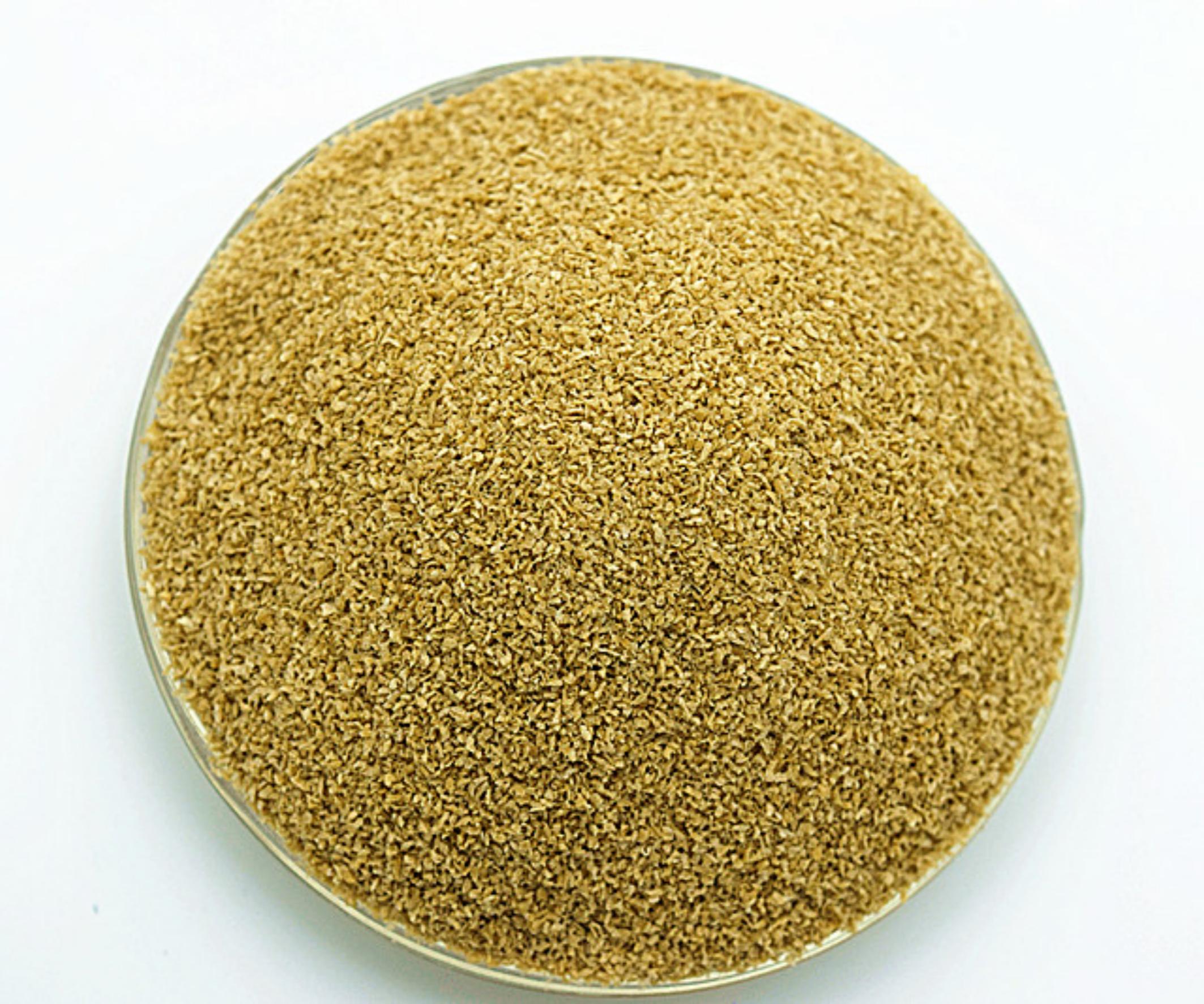
Not all sodium alginate is created equal. For culinary applications, specify food-grade sodium alginate with the following characteristics:
| Parameter | Recommendation |
|---|---|
| Grade | Food grade, E401 compliant |
| Viscosity | Medium viscosity for most spherification applications |
| Particle size | Fine powder for rapid hydration |
| Purity | ≥98% assay; minimal insoluble residue |
| Packaging | Sealed, moisture-proof containers |
For high-volume kitchens and culinary schools, bulk purchasing ensures consistent supply and better value. Working directly with a manufacturer provides access to technical support, batch documentation, and customized specifications.
Why Choose Qingdao Lanneret Biochemical Co., Ltd.?
Qingdao Lanneret Biochemical Co., Ltd. has been manufacturing and supplying sodium alginate since 2007. Our food-grade sodium alginate is trusted by chefs, culinary schools, and food manufacturers worldwide.
Our Advantages for Culinary Professionals:
Consistent quality: Assay ≥98%, controlled viscosity, full batch traceability
Food-grade compliance: Meets FCC, EU, and JECFA standards
Fine powder grade: Rapid hydration for efficient kitchen use
Flexible quantities: From small trial orders to bulk supply
Technical support: Guidance on spherification ratios and troubleshooting
Global shipping: Reliable delivery to restaurants and distributors
We understand that in professional kitchens, consistency is everything. Our sodium alginate delivers predictable performance—batch after batch.
Conclusion
Sodium alginate spherification is a technique that rewards precision and practice. By understanding the chemistry, choosing the right method for your ingredients, and following proven ratios, you can create spheres that surprise and delight your guests.
Key takeaways:
Basic spherification is ideal for fruit juices and immediate service
Reverse spherification is essential for dairy, alcohol, and make-ahead applications
Precise measurement and adequate hydration time are non-negotiable
Food-grade sodium alginate from a reliable supplier ensures consistent results
Whether you are adding a playful garnish to a tasting menu or teaching the next generation of chefs, sodium alginate is your gateway to the world of molecular gastronomy.
Contact Us
Ready to bring spherification to your kitchen? Contact our team for food-grade sodium alginate samples, technical data, and bulk pricing.
Qingdao Lanneret Biochemical Co., Ltd.
Website: www.qdalginate.com
Elaine Yu | Sales Manager
Email: [email protected]
Phone: +86 18765923485
Food-grade alginate for culinary innovation—since 2007.