+86 18765923485

- 05 Aug 2026
Sodium Alginate in Food: The Ultimate Guide to Stabilizer, Thickener & Gelling Agent
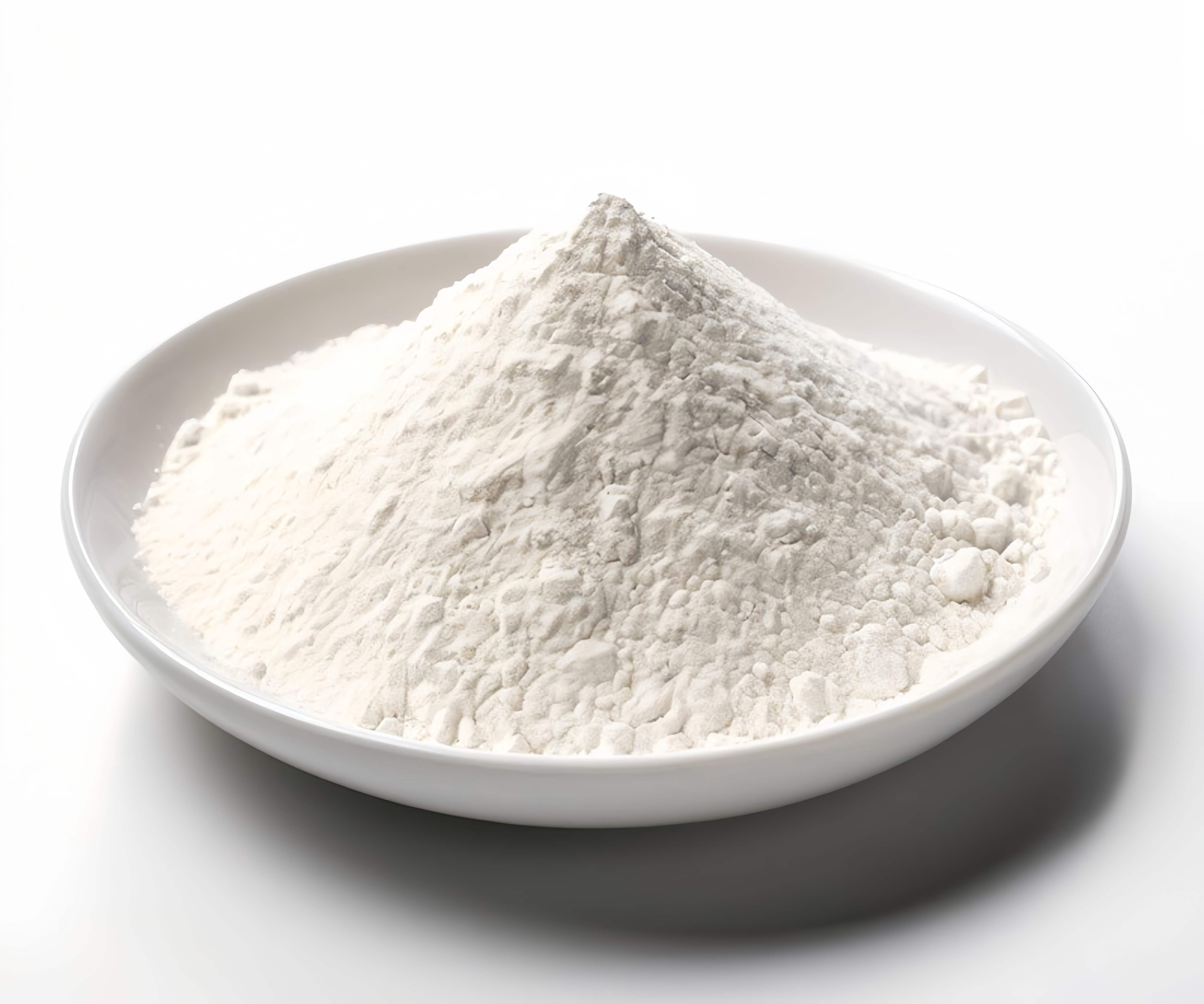
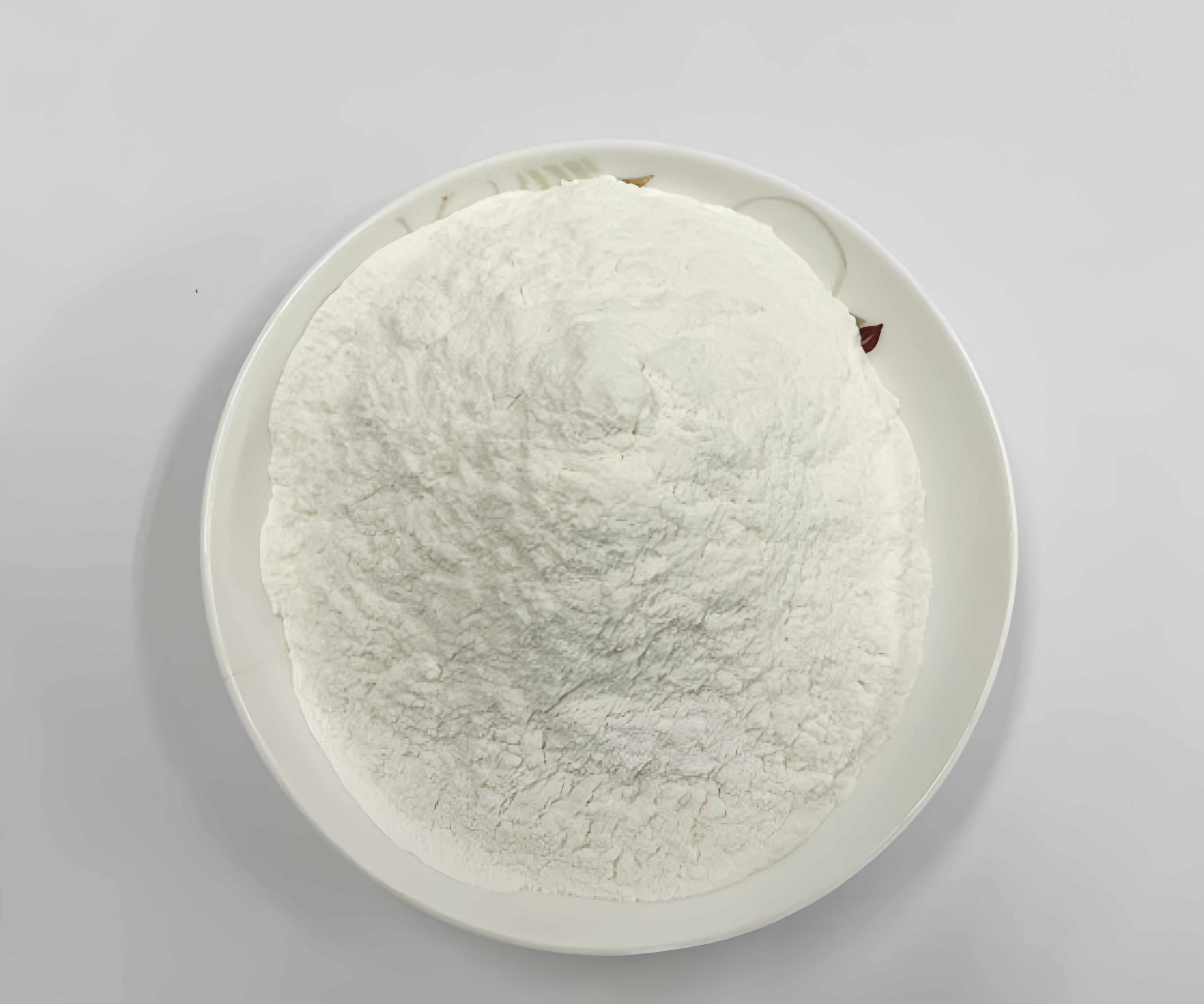
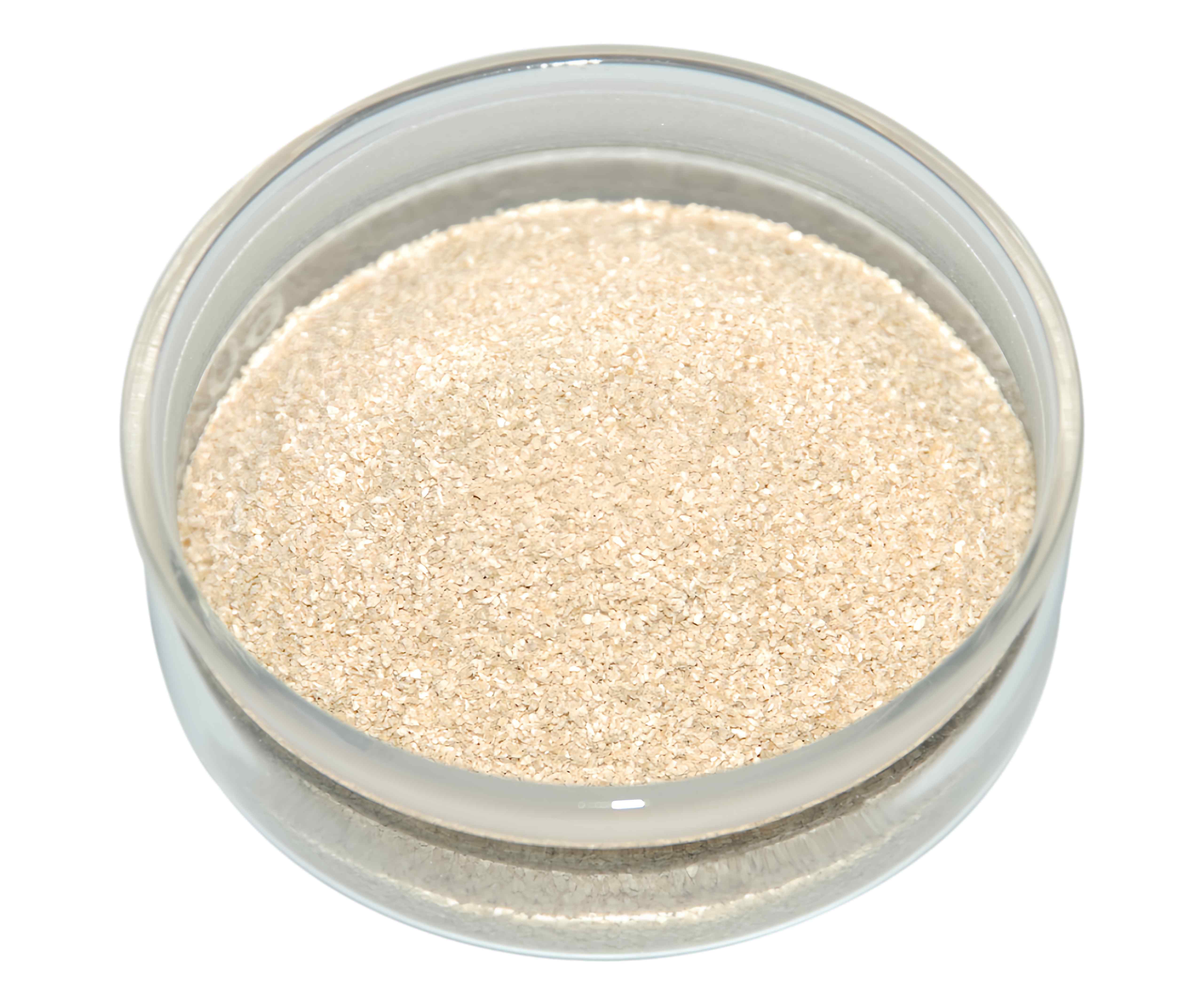
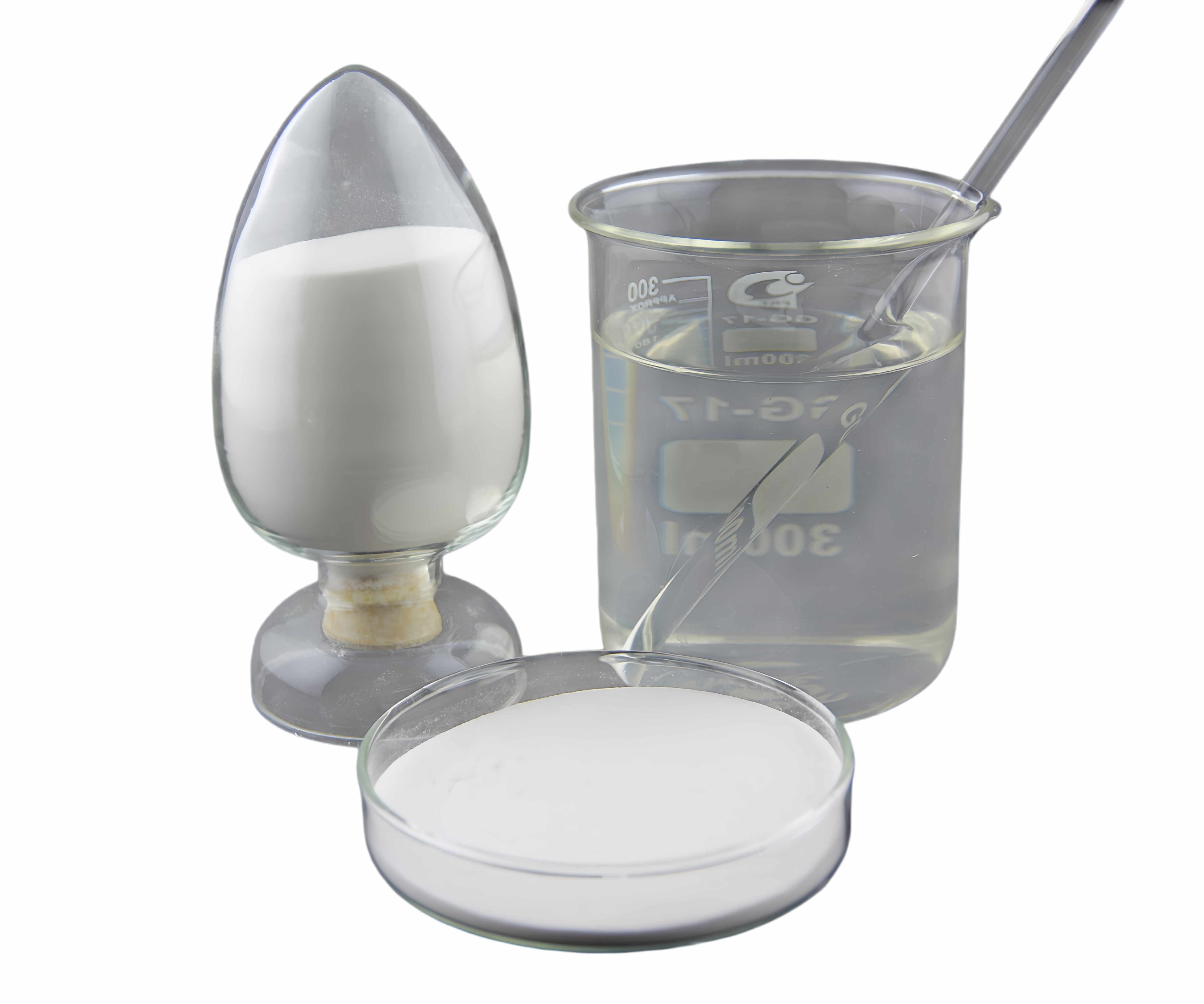
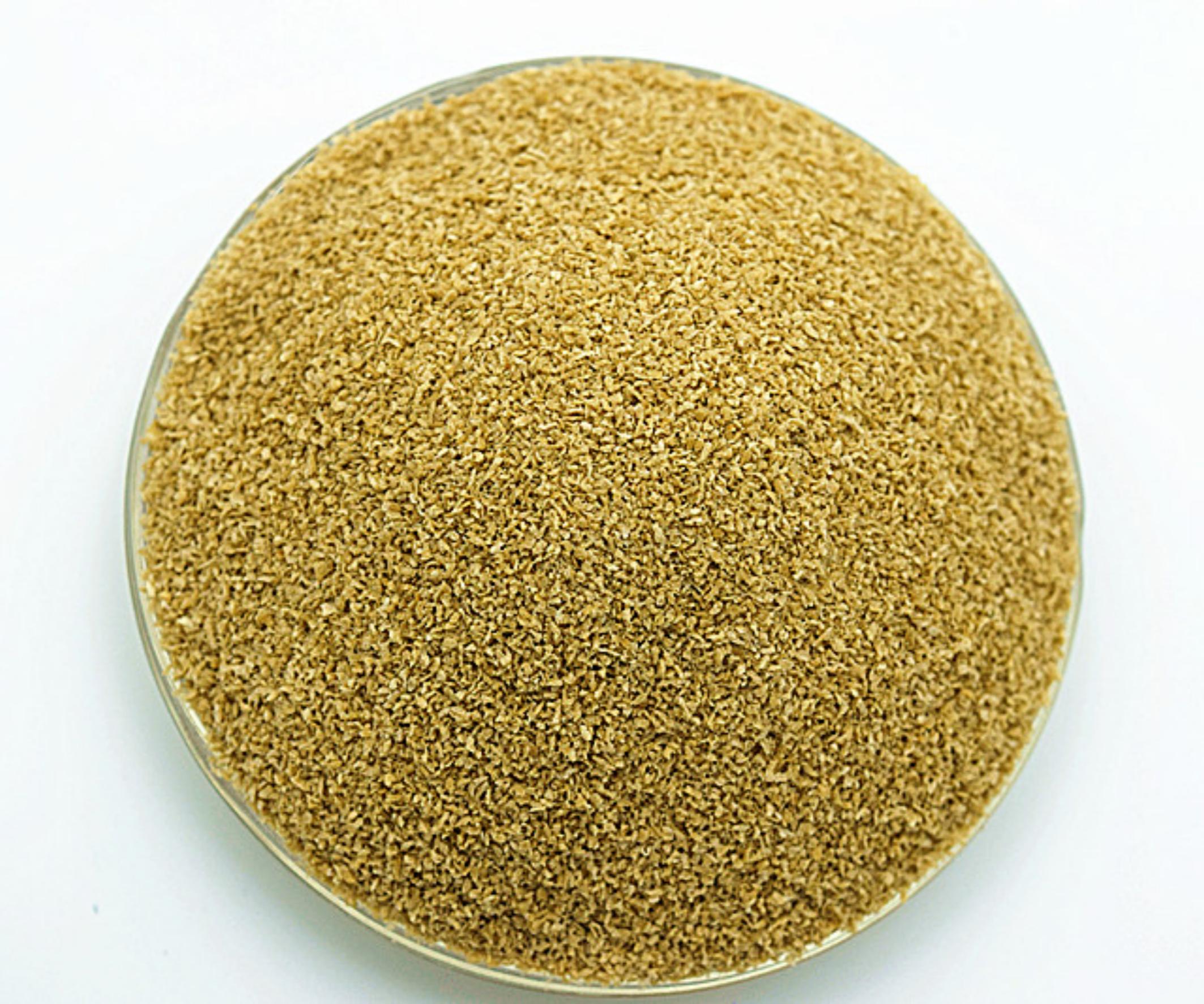
Sodium alginate is one of the most versatile natural hydrocolloids used in the modern food industry. Extracted from the cell walls of brown seaweed, this white to yellowish powder dissolves in water to form a smooth, viscous solution—and when it meets calcium ions, it transforms into a stable gel.
This unique "alginate + calcium = gel" chemistry makes it an indispensable ingredient across dozens of food applications. Whether you are formulating ice cream, baking bread, crafting plant-based meats, or experimenting with molecular gastronomy, sodium alginate offers functionality that few other additives can match.
In this guide, we will explore how sodium alginate works as a stabilizer, thickener, and gelling agent—and why it has become a go-to solution for food manufacturers worldwide.
What Makes Sodium Alginate Special?
Sodium alginate is a natural anionic polysaccharide composed of two building blocks: β-D-mannuronic acid (M) and α-L-guluronic acid (G). The ratio of M to G units varies by seaweed source and directly affects its properties—high G content produces rigid gels, while high M content yields softer, more elastic gels.
Key Functional Properties:
| Property | How It Works | Food Applications |
|---|---|---|
| Thickening | Dissolves in cold/hot water to increase viscosity | Sauces, dressings, beverages, syrups |
| Gelling | Reacts with calcium ions to form heat-stable gels | Desserts, jellies, artificial foods, spherification |
| Stabilizing | Prevents separation and ice crystal formation | Ice cream, dairy products, beer foam |
| Water Retention | Binds moisture and improves texture | Noodles, bakery products, meat products |
One of sodium alginate's most valuable characteristics is heat irreversibility—once gelled with calcium, the gel does not melt upon heating, unlike gelatin or agar. This makes it ideal for processed foods that undergo cooking or sterilization.
Sodium Alginate as a Stabilizer in Food
Ice Cream and Frozen Desserts
Sodium alginate is widely used as a stabilizer in ice cream production. It reacts with calcium naturally present in milk to form a loose gel network, which:
Controls ice crystal formation during freezing and storage
Improves overrun (air incorporation) for a creamy texture
Enhances heat shock resistance during distribution
Compared to traditional stabilizers like gelatin or starch, sodium alginate requires no aging time and delivers a smoother, more delicate mouthfeel at lower usage levels.
Dairy Products and Yogurt
In yogurt, alginate acts as a stabilizer across a wide pH range (3.9–4.9), preventing whey separation and maintaining a thick, consistent texture. It also prevents viscosity loss during sterilization. For cultured buttermilk and flavored milk drinks, alginate ensures uniform body and prevents sedimentation.
Beer and Alcoholic Beverages
Sodium alginate stabilizes beer foam, improves clarity, and extends shelf life. It also helps remove tannins and nitrogenous compounds from wine, contributing to a cleaner product.
Sodium Alginate as a Thickener
As a thickener, sodium alginate exhibits near-Newtonian flow behavior—more so than most other natural hydrocolloids. This means it provides smooth, predictable viscosity without the "stringiness" or "sliminess" associated with some gums.
Sauces, Dressings, and Condiments
In salad dressings, ketchup, barbecue sauce, and jams, sodium alginate:
Prevents oil-water separation
Suspends insoluble particles
Improves mouthfeel and pouring characteristics
Recommended usage ranges from 0.3% to 0.5% in processed fruit products and juices.
Beverages
In fruit juices and nectars, sodium alginate thickens the liquid, prevents pulp sedimentation, and creates a fuller mouthfeel. It is also used in syrups and flavored drinks for uniform texture and stability.
Sodium Alginate as a Gelling Agent
The gelling reaction between sodium alginate and calcium ions is the foundation for some of its most innovative food applications. This reaction can be controlled by chelating calcium with phosphates (slow gelation) or accelerating it with acids.
Molecular Gastronomy and Spherification
Sodium alginate is the star ingredient in spherification—the technique that creates liquid-filled spheres resembling caviar or pearls .
Basic Spherification: A flavored liquid mixed with alginate is dropped into a calcium bath, forming a thin gel skin from the outside in. Ideal for fruit juices and purees.
Reverse Spherification: A calcium-rich liquid (like yogurt) is dropped into an alginate bath, forming a gel from the inside out. Perfect for dairy, acidic, or alcoholic ingredients.
Desserts, Jellies, and Puddings
Sodium alginate can replace agar or gelatin in crystal soft candies, milk puddings, and dessert toppings. Its gels remain stable at high temperatures, freezing, and acidic conditions .
Artificial Foods
Alginate is used to create imitation foods such as artificial salmon roe, shark fin, and fruit analogs. By controlling calcium release, manufacturers can design gels in various shapes—spherical, spindle-shaped, or sheet-like—with precise textures.
Beyond the Basics: Emerging Applications
Sodium alginate continues to find new roles in food innovation:
Plant-Based Meat
As a binder and water-retention agent, sodium alginate improves the texture, juiciness, and sliceability of plant-based meat alternatives. Its thermal irreversibility ensures structural integrity during cooking.
Edible Films and Coatings
Sodium alginate-based films are used to coat fresh produce, meat, and seafood to extend shelf life, prevent moisture loss, and reduce oxidation .
Encapsulation and Controlled Release
Alginate hydrogel beads serve as carriers for probiotics, enzymes, flavors, and nutrients, offering controlled release and protection during processing and digestion .
Bakery Products
Sodium alginate improves dough elasticity, water retention, and loaf volume in bread and pastries. It also reduces breakage in cookies and crackers by up to 70–80% . Recent studies show that microstructured alginate can enhance fermentation activity and antioxidant properties in baked goods.
Food Grade Sodium Alginate: Choosing the Right Product
When sourcing sodium alginate for food applications, consider:
| Parameter | What to Look For |
|---|---|
| Grade | Food grade (E401) compliant with international standards |
| Viscosity | Low, medium, or high viscosity depending on application |
| G/M Ratio | High G for firm, rigid gels; high M for soft, elastic gels |
| Purity | High purity for clean label formulations |
| Solubility | Cold or hot water soluble—most food grades dissolve in both |
Why Choose Qingdao Lanneret Biochemical Co., Ltd.?
Qingdao Lanneret Biochemical Co., Ltd. has been a trusted manufacturer and global supplier of alginate products since 2007. We specialize in providing food-grade sodium alginate tailored to your specific application needs—whether you are producing ice cream, bakery goods, plant-based meat, or beverages.
Our Advantages:
Full production control: From raw seaweed sourcing to finished powder processing
Customizable specifications: Viscosity, particle size, and G/M ratio adjusted to your formulation
Strict quality assurance: COA and MSDS provided with every batch
Flexible MOQs: From small bulk orders to full container loads
Global shipping: Reliable delivery to North America, Europe, Southeast Asia, and beyond -
We understand that inconsistent quality can disrupt production lines and compromise product safety. That is why we implement rigorous testing at every checkpoint—and we provide free samples for testing before you commit to an order.
Get in Touch
Ready to upgrade your food formulation with high-quality sodium alginate? Contact our team for technical data sheets, samples, and bulk pricing.
Qingdao Lanneret Biochemical Co., Ltd.
Website: www.qdalginate.com
Elaine Yu | Sales Manager
Email: [email protected]
Phone: +86 18765923485
We look forward to partnering with you on your next food innovation.