+86 18765923485

- 04 Jun 2026
How to Choose the Right Sodium Alginate Grade (Food vs. Industrial vs. Pharma)
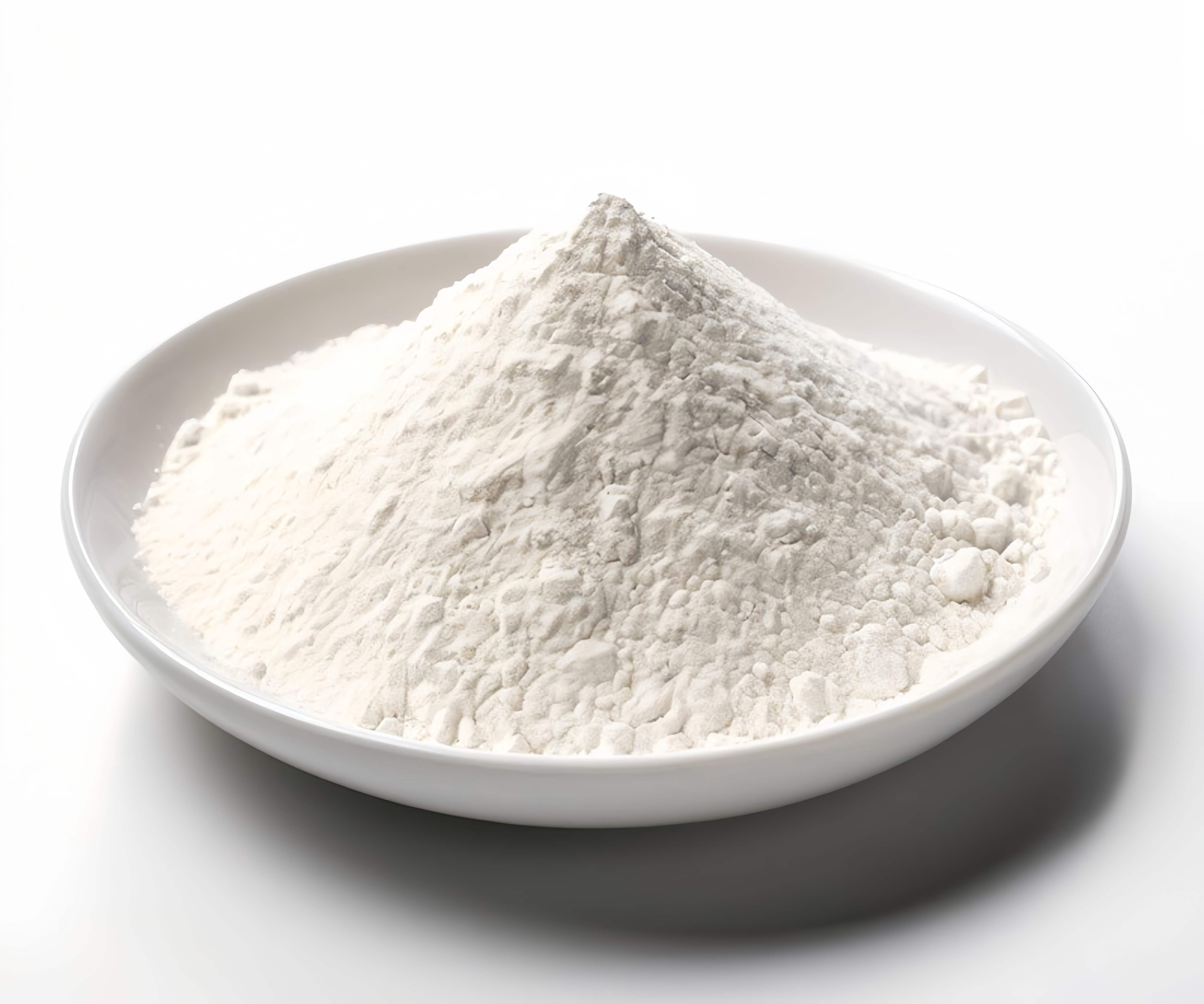
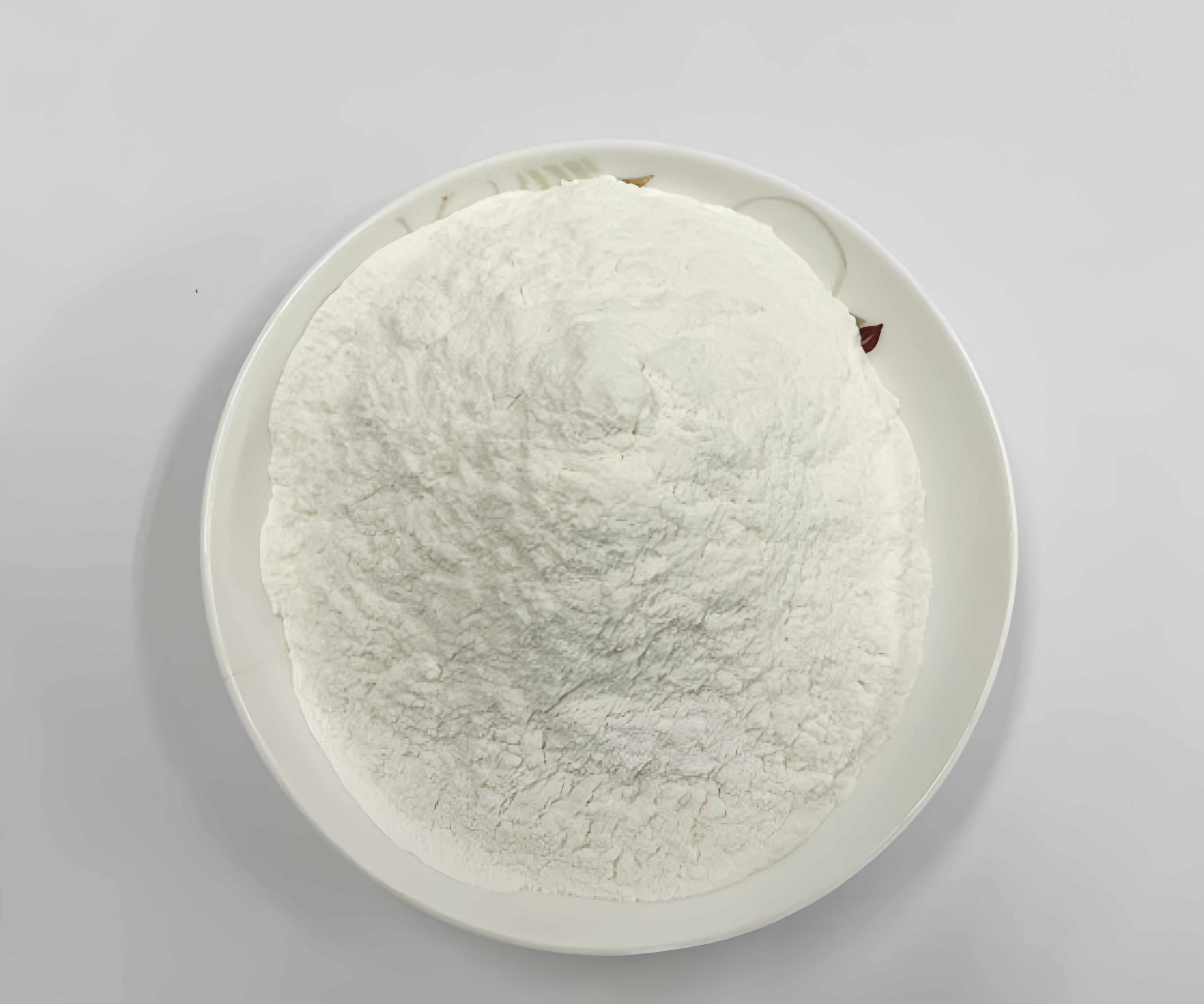
Selecting the correct sodium alginate grade is critical for achieving optimal product performance, regulatory compliance, and cost efficiency. With three primary grades—food grade, industrial grade, and pharma grade—each designed for distinct applications, buyers must consider viscosity, purity, regulatory compliance, and functional properties before making a bulk purchase. This guide breaks down the key differences to help you choose the right sodium alginate for your business.
Food Grade Sodium Alginate: Must comply with FAO/WHO, FCC, and EU food safety standards; ultra-low heavy metal content, no harmful impurities, available in low/medium/high viscosity for food, beverage, and culinary use. Ideal for dairy, bakery, frozen foods, and plant-based products.
Industrial Grade Sodium Alginate: Prioritizes viscosity stability, binding strength, and cost efficiency; designed for textile printing, welding electrodes, water treatment, and adhesives. Lower purity restrictions than food/pharma grades but consistent performance for industrial processes.
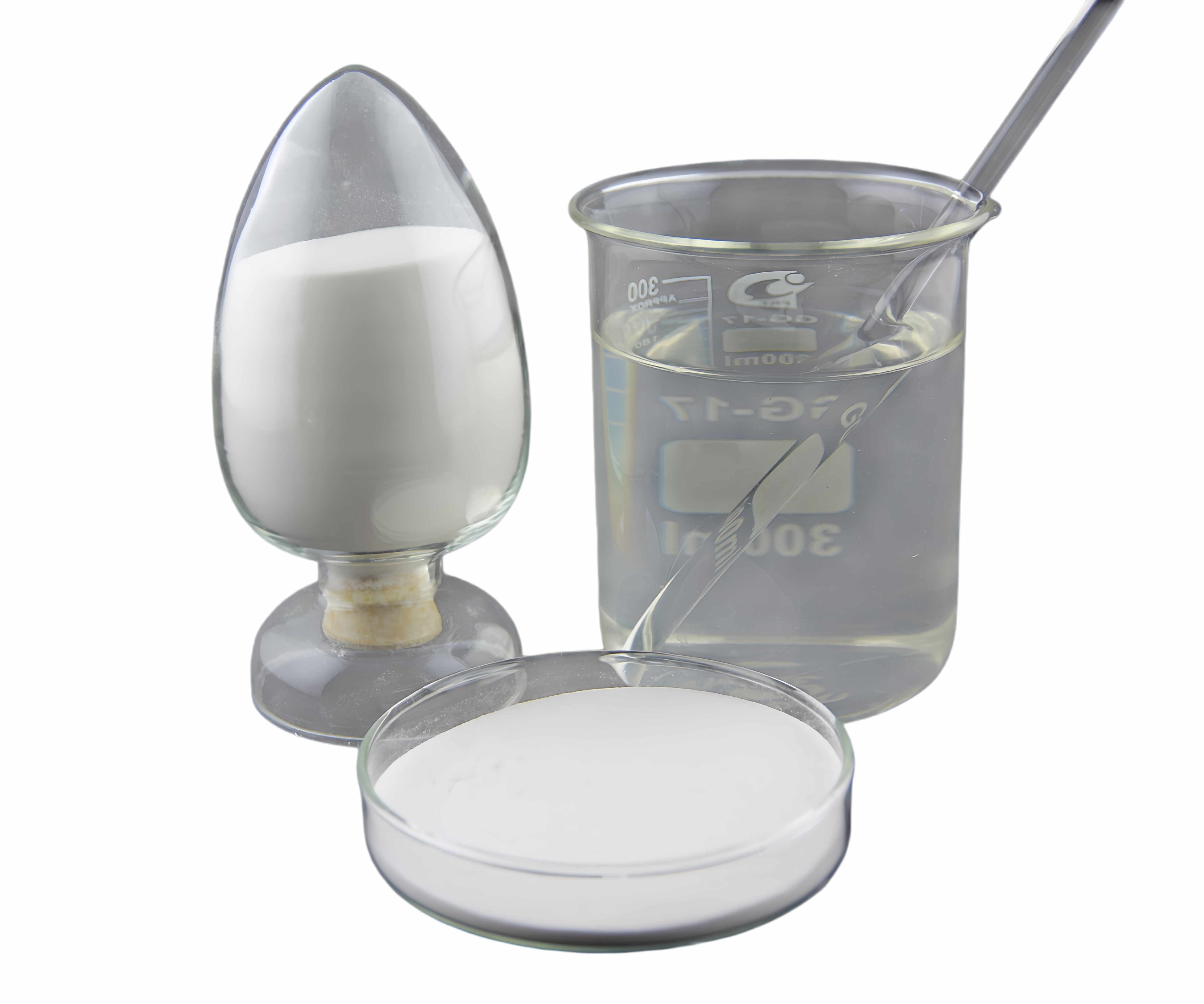
Pharma Grade Sodium Alginate: Highest purity standards, compliant with pharmaceutical regulatory requirements; ultra-fine particle size, low microbial count, used in drug formulations, medical dressings, and biomedical applications.
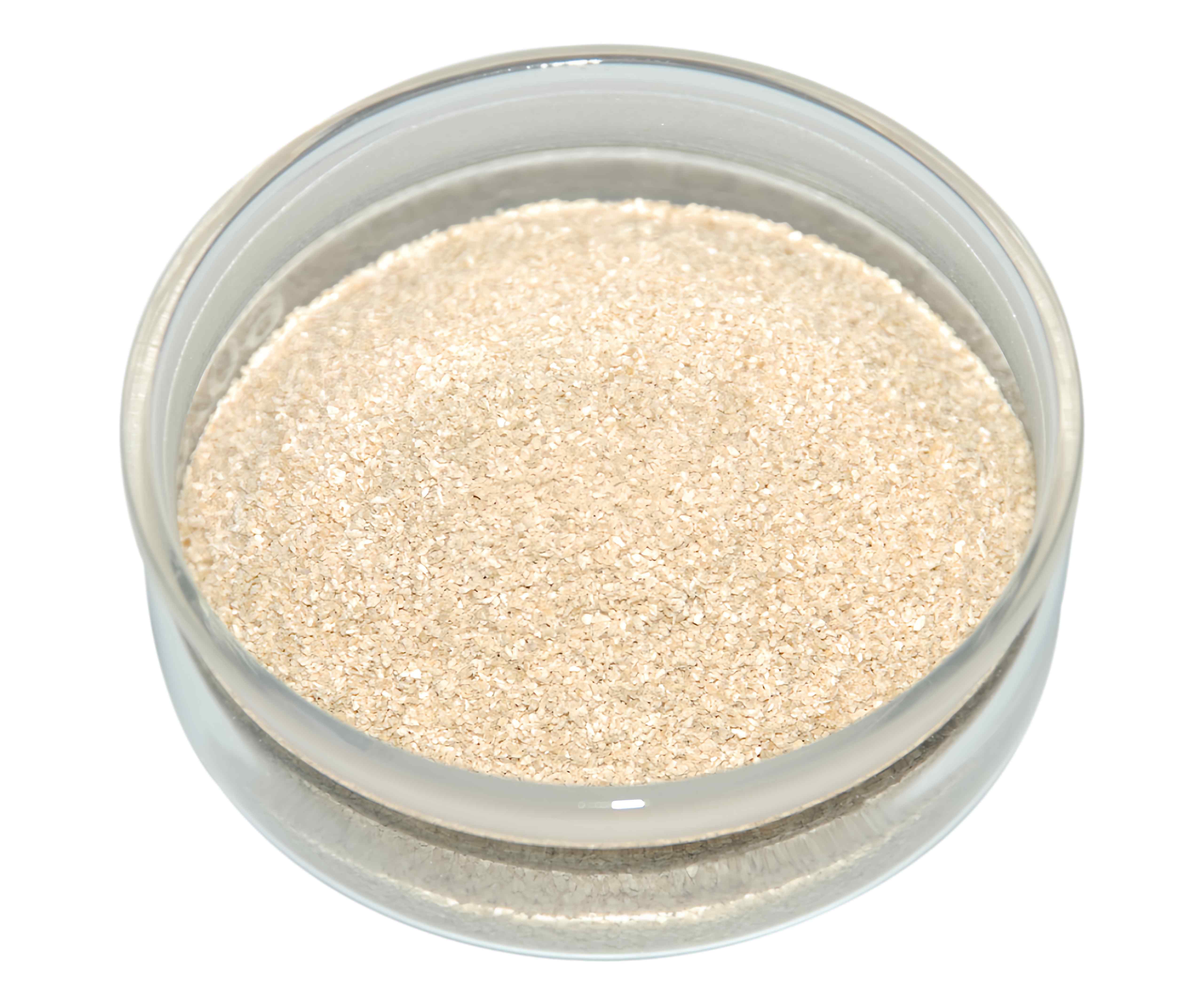
Additional key factors include viscosity (low for beverages, high for thick gels), particle size (fine for quick dissolution, coarse for slow release), and solubility. Partnering with an experienced sodium alginate manufacturer like Qingdao Lanneret Biochemical ensures you get expert guidance to select the perfect grade, as we offer free sample testing, technical data sheets, and customized formulations for every client.
We also provide full regulatory documentation for each grade, including COA, MSDS, and compliance certificates, to streamline your quality control and import processes. Our team works closely with clients to assess their production needs and recommend the most cost-effective, high-performance sodium alginate grade.