+86 18765923485


- 11 Nov 2026
What Is Food-Grade Sodium Alginate A Complete Guide for Food Manufacturers
Food manufacturers searching for a reliable thickening, gelling, or stabilizing agent have likely encountered sodium alginate. But what exactly makes “food-grade” sodium alginate different from the industrial material used in textile printing or welding electrodes? And how should a formulator evaluate suppliers and specifications?
This guide answers those questions from the perspective of a manufacturer that has been producing sodium alginate since 2007.
What Is Sodium Alginate?
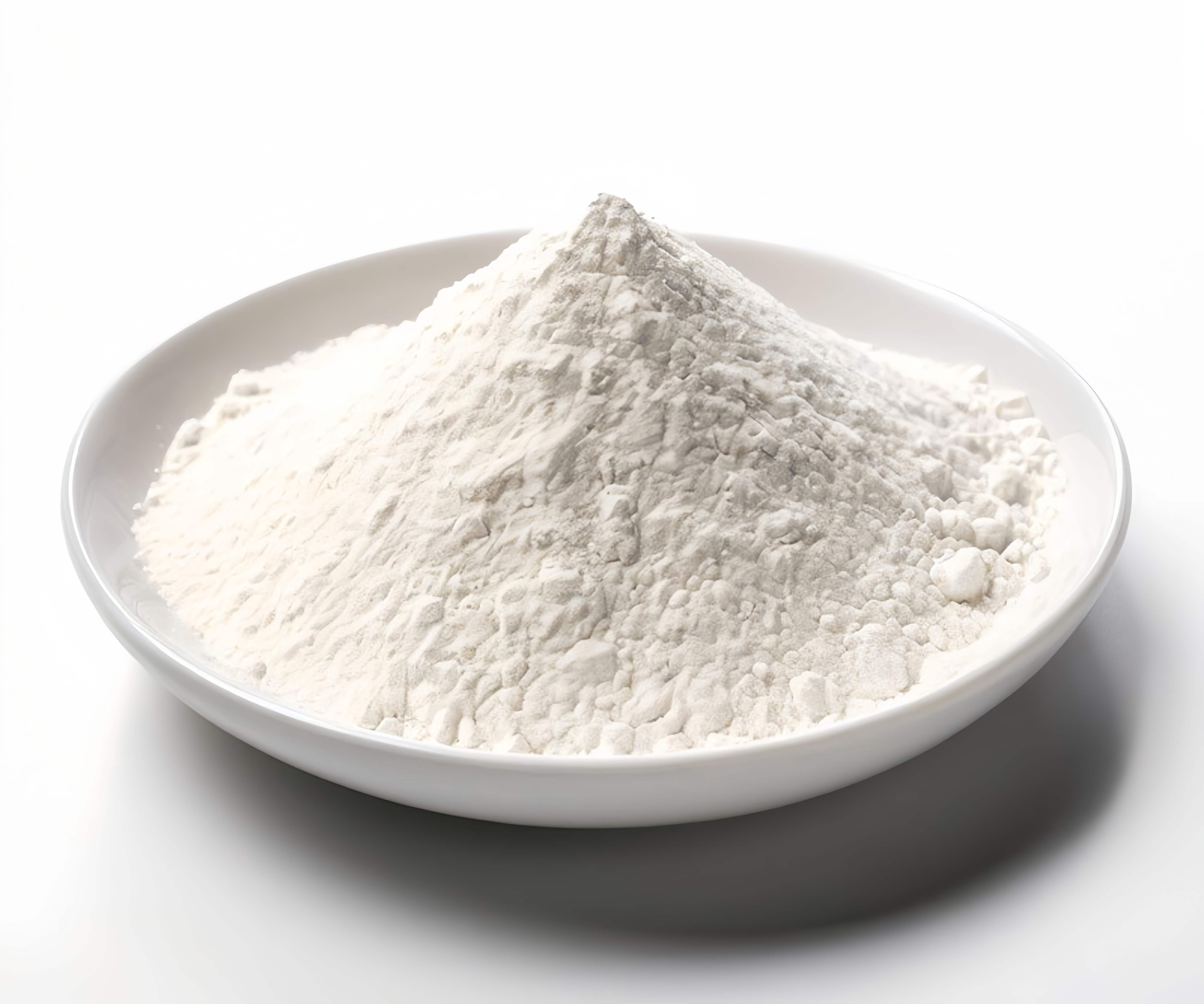
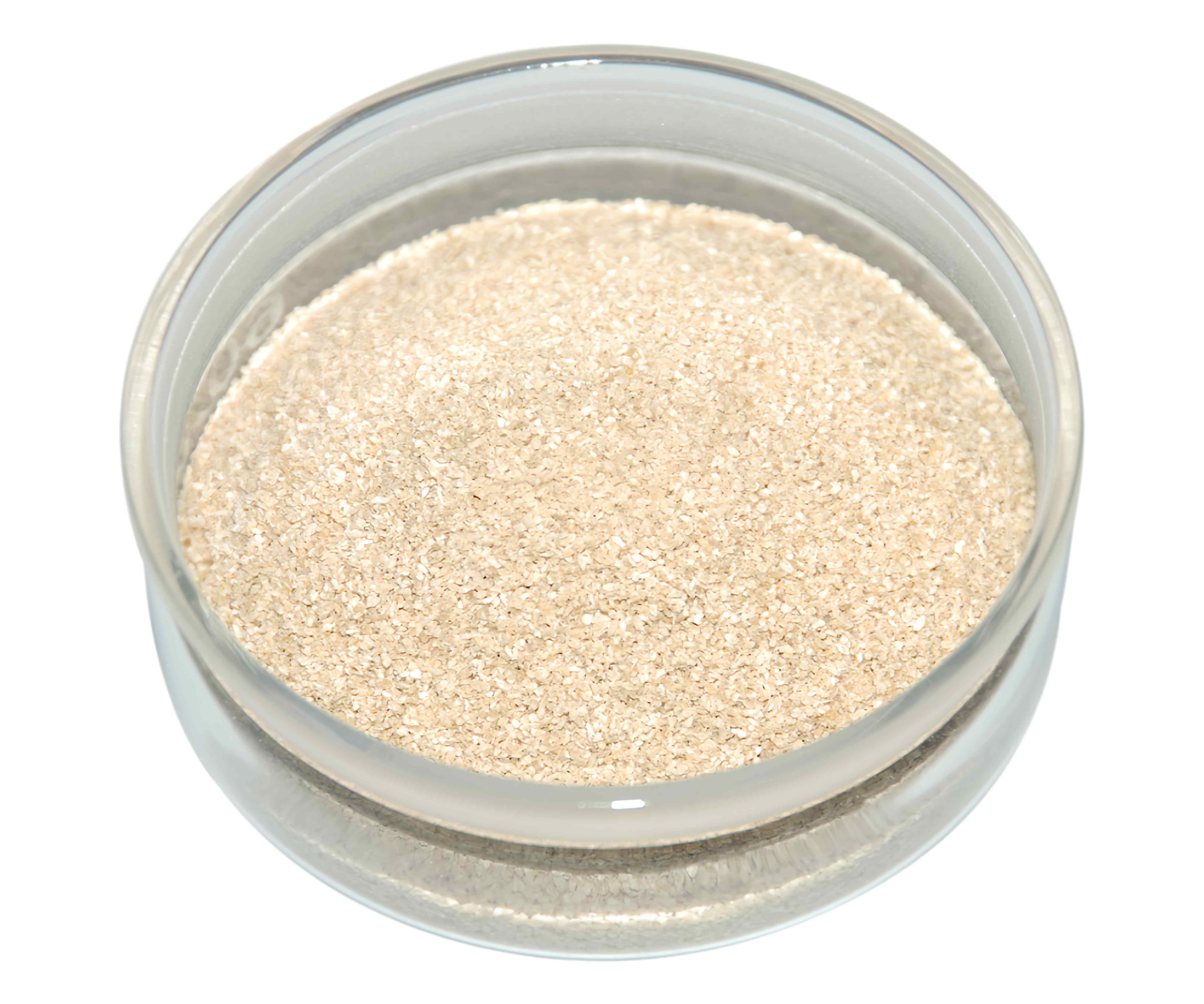
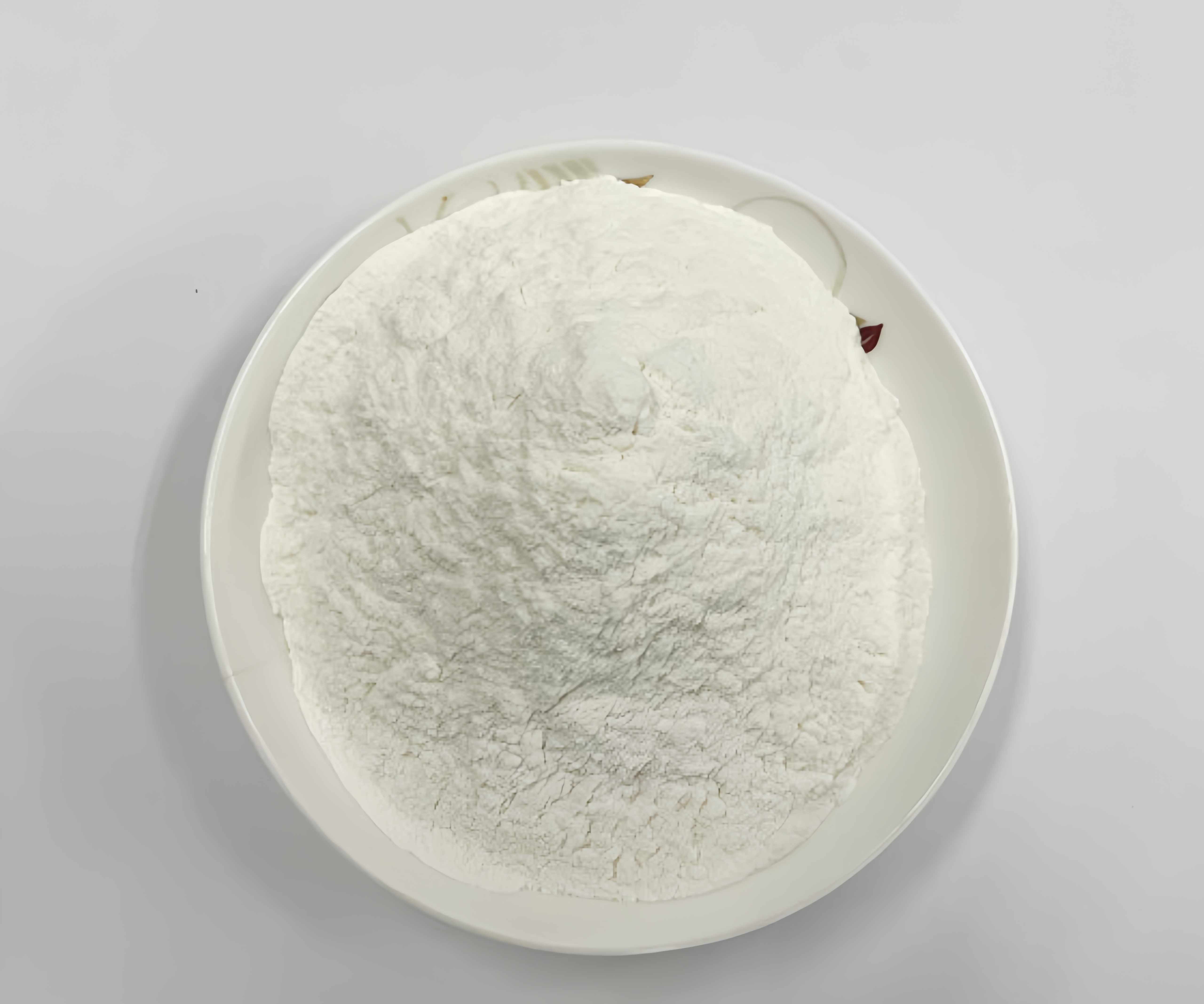
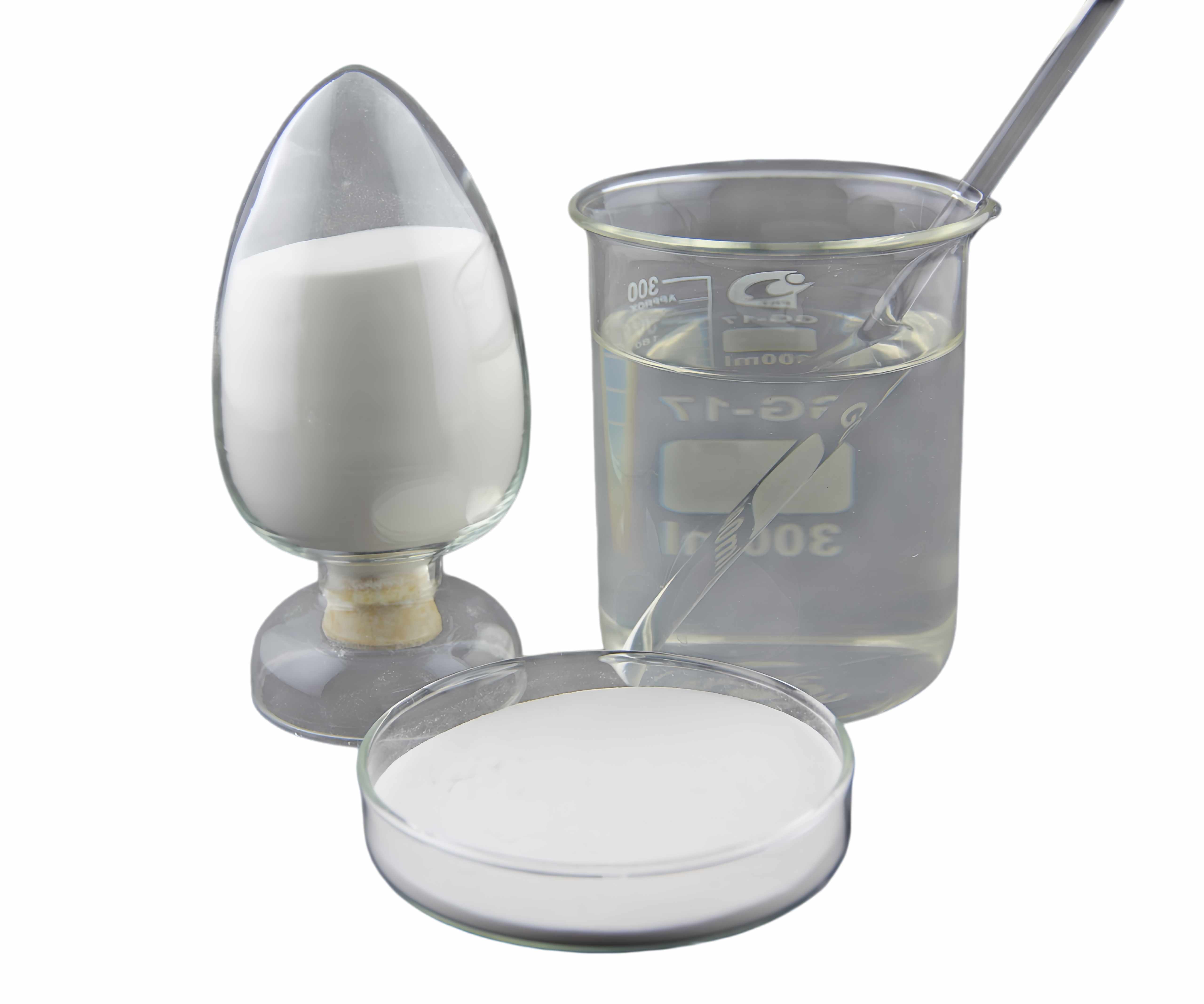
Sodium alginate is a natural polysaccharide extracted from brown seaweed. Its molecular structure consists of two uronic acid units—mannuronic acid (M) and guluronic acid (G)—arranged in varying sequences along the polymer chain. The ratio of M to G blocks determines many of the functional properties, including gel strength, flexibility, and water-binding behavior.
When dissolved in water, sodium alginate forms a viscous solution. In the presence of calcium ions, it undergoes ionic crosslinking to form a thermally irreversible gel. This combination of thickening and gelation, along with its film-forming ability and biocompatibility, explains why sodium alginate appears in everything from ice cream and sauces to restructured meat products and edible coatings.
Food-Grade vs. Industrial-Grade: What’s the Difference?
The distinction is not about the source material—both come from seaweed—but about purity, safety, and regulatory compliance.
Food-grade sodium alginate must meet strict limits on heavy metals, arsenic, lead, and microbial contamination. It is produced under conditions that prevent cross-contamination with industrial streams. In the EU, it carries the designation E401; internationally, it is identified as INS 401. In China, food-grade sodium alginate is regulated under GB 2760, which permits its use in a wide range of food categories, often at levels consistent with Good Manufacturing Practice .-7-10
Industrial-grade sodium alginate, by contrast, is optimized for performance in textile printing, ceramics, or welding—not for ingestion. Its purity specifications are designed around those applications, and it should never be used in food without proper food-grade certification.
At Lanneret, food-grade and textile-grade lines are produced under separate quality systems. Our food-grade products hold ISO, FDA, and GMP certifications, and comply with import standards in more than 50 countries .-5
Key Functional Properties for Food Applications
Food manufacturers typically select sodium alginate for one or more of the following functions:
Thickening and Stabilizing. Sodium alginate increases viscosity without imparting off-flavors, making it useful in sauces, dressings, beverages, and dairy products. It also helps prevent phase separation in emulsions and suspensions.
Gel Formation. Calcium-induced gelation produces everything from soft, spoonable gels to firm, restructurable pieces. This property is central to the production of imitation foods, restructured meat and seafood, and encapsulation systems .-3
Film-Forming and Coating. Edible films and coatings made from sodium alginate can extend shelf life by limiting moisture loss and oxidation. Research has demonstrated benefits for fresh-cut produce, frozen fish, and meat cuts .-3
Encapsulation. Sodium alginate beads are widely used to encapsulate flavors, probiotics, and active ingredients, protecting them during processing and controlling release during consumption .-2
Viscosity Selection: A Critical Specification
Not all food-grade sodium alginate is interchangeable. Viscosity, measured in mPa·s or cps at a given concentration, is the single most important specification for matching product to application.
For bursting beads and similar encapsulated products, Lanneret recommends sodium alginate with a viscosity of 400–500 mPa·s, prepared as a 0.7% solution for the outer membrane bath . For general thickening in sauces and dressings, medium-viscosity grades (200–600 cps) are commonly used. Ultra-high viscosity grades (2,000–10,000 cps) suit applications requiring minimal addition levels, such as jams and toothpaste, while low-viscosity grades serve specialized encapsulation and health product applications .-1-5
Beyond viscosity, buyers should confirm mesh size, pH, calcium content, and loss on drying. Lanneret publishes these specifications for each product grade and can provide certificates of analysis with every shipment.
Regulatory Landscape
Sodium alginate enjoys broad regulatory acceptance. The FAO/WHO Joint Expert Committee on Food Additives (JECFA) lists sodium alginate with acceptable daily intake “not limited,” and the Codex General Standard for Food Additives permits its use in numerous categories under GMP . In China, GB 2760-2024 permits sodium alginate in dairy products, frozen drinks, meat products, and many other categories, often at GMP levels .-7-10-14
For food manufacturers exporting to multiple markets, confirming that the supplier’s product meets the target market’s purity and documentation requirements is essential. Lanneret provides FDA food-grade certification and GMP documentation to support customer compliance.
Sourcing Considerations
When evaluating food-grade sodium alginate suppliers, manufacturers should request:
A current certificate of analysis for the specific lot
Food safety certifications (ISO, FDA, GMP, or equivalent)
Allergen and GMO statements
A representative sample for bench trials
Qingdao Lanneret Biochemical Co., Ltd. has produced sodium alginate since 2007, with an annual capacity of 10,000 tons. Our food-grade line is backed by full traceability from seaweed to finished powder.
For samples or technical discussion, contact Elaine Yu at [email protected] or +86 18765923485.